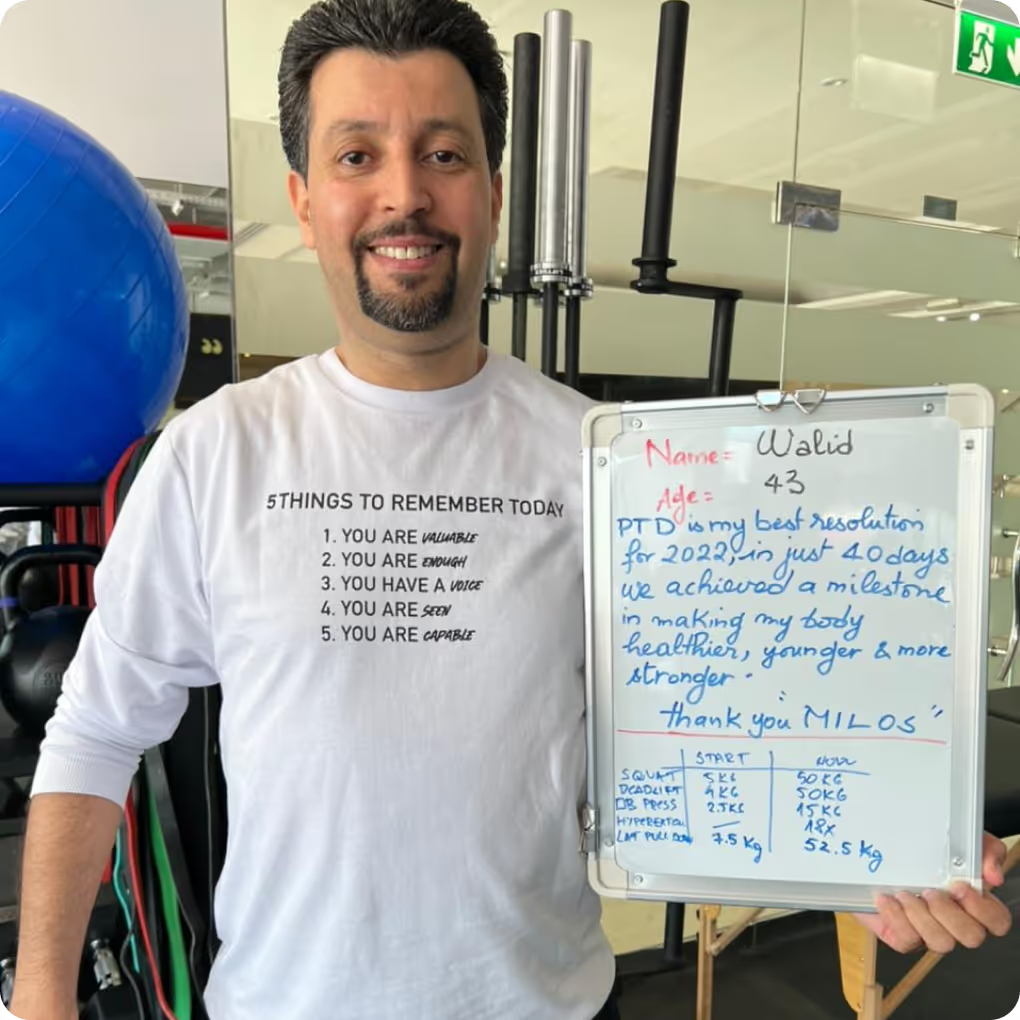
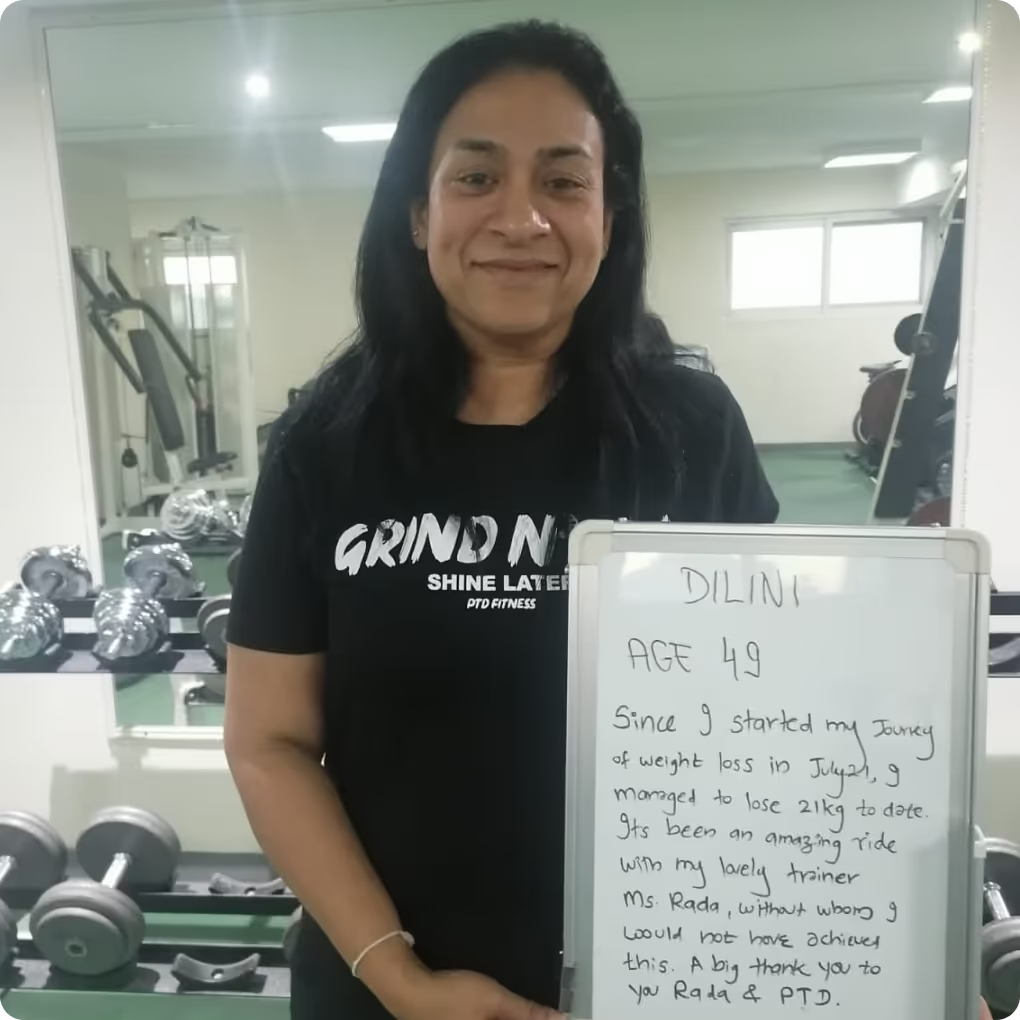
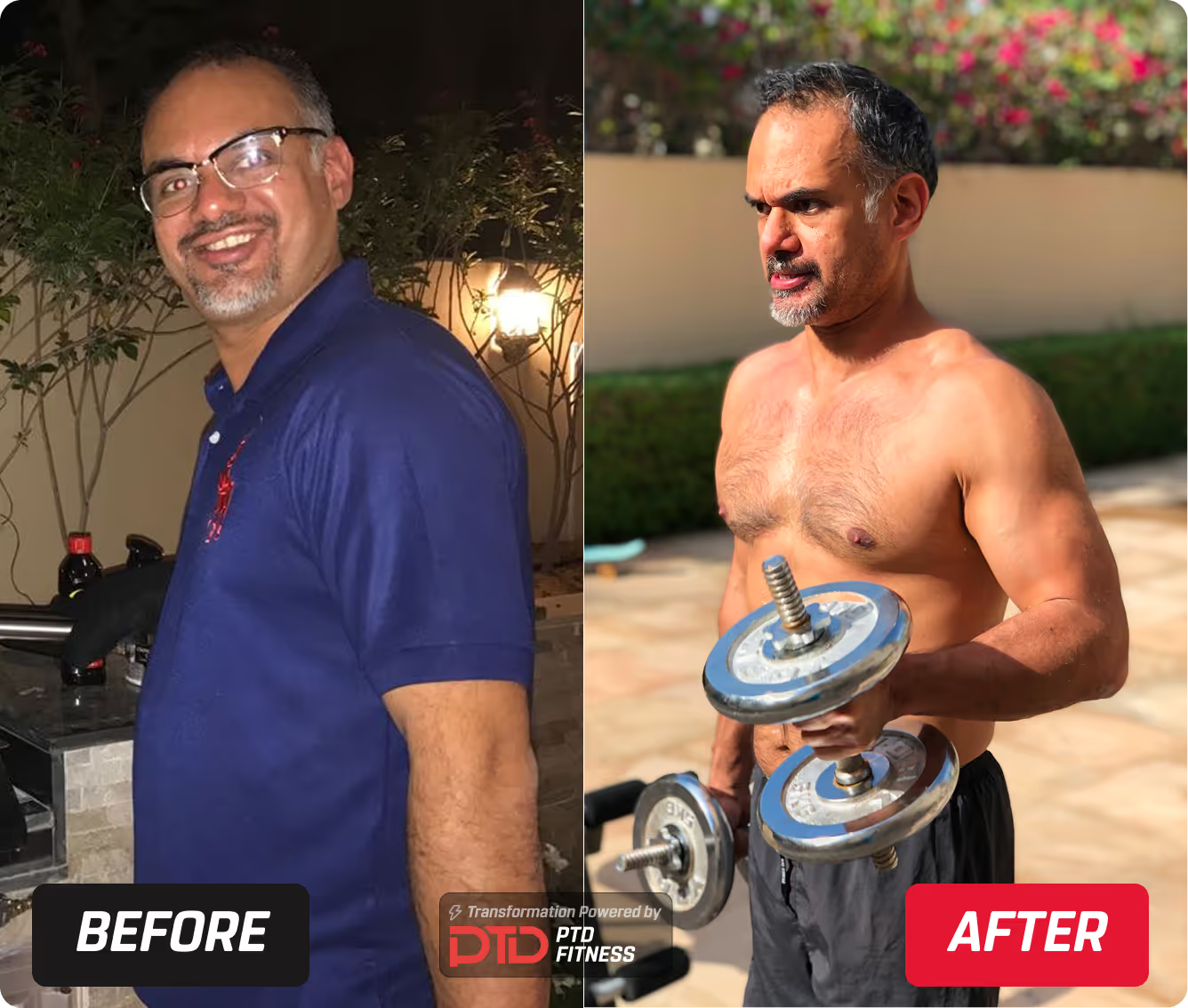
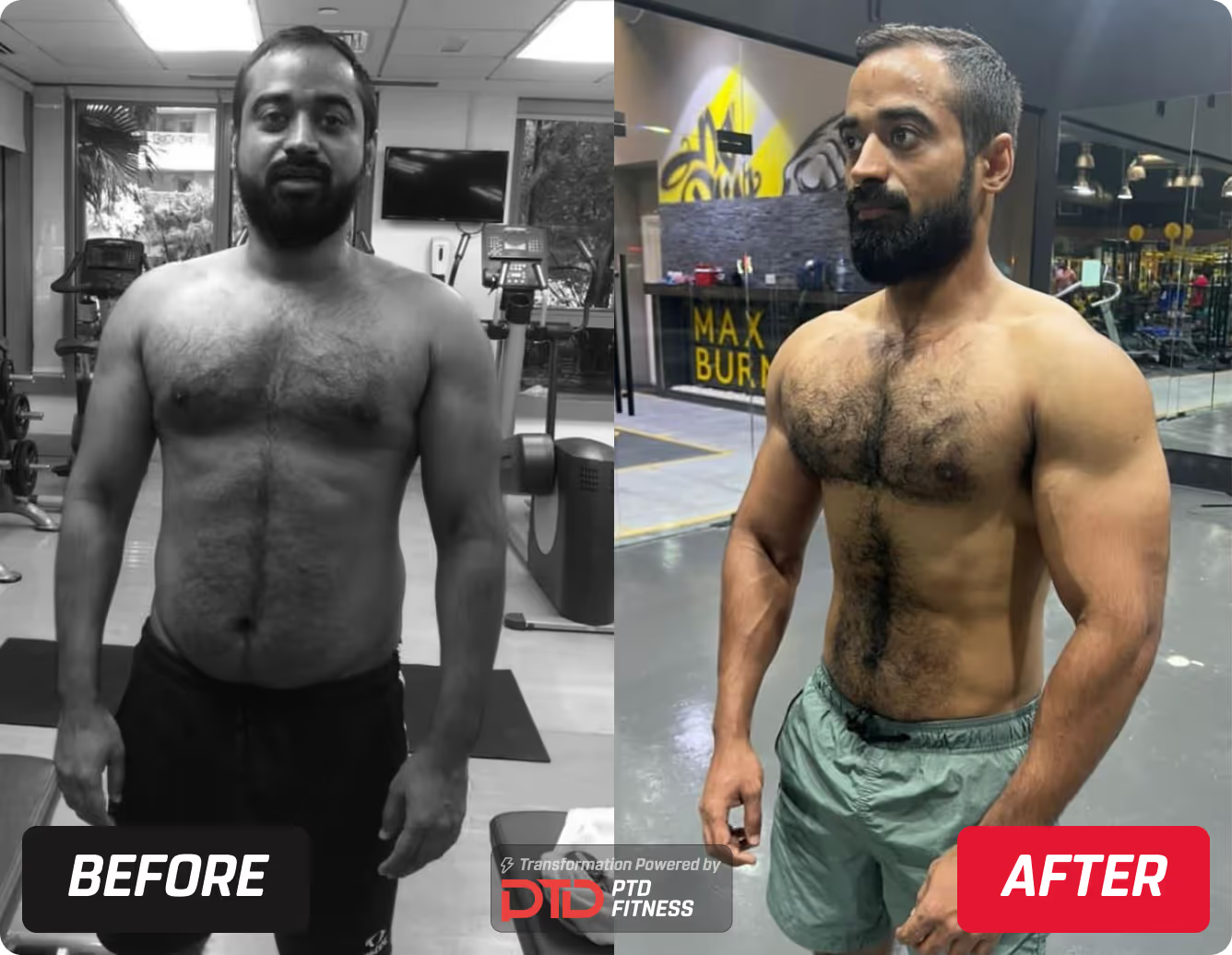
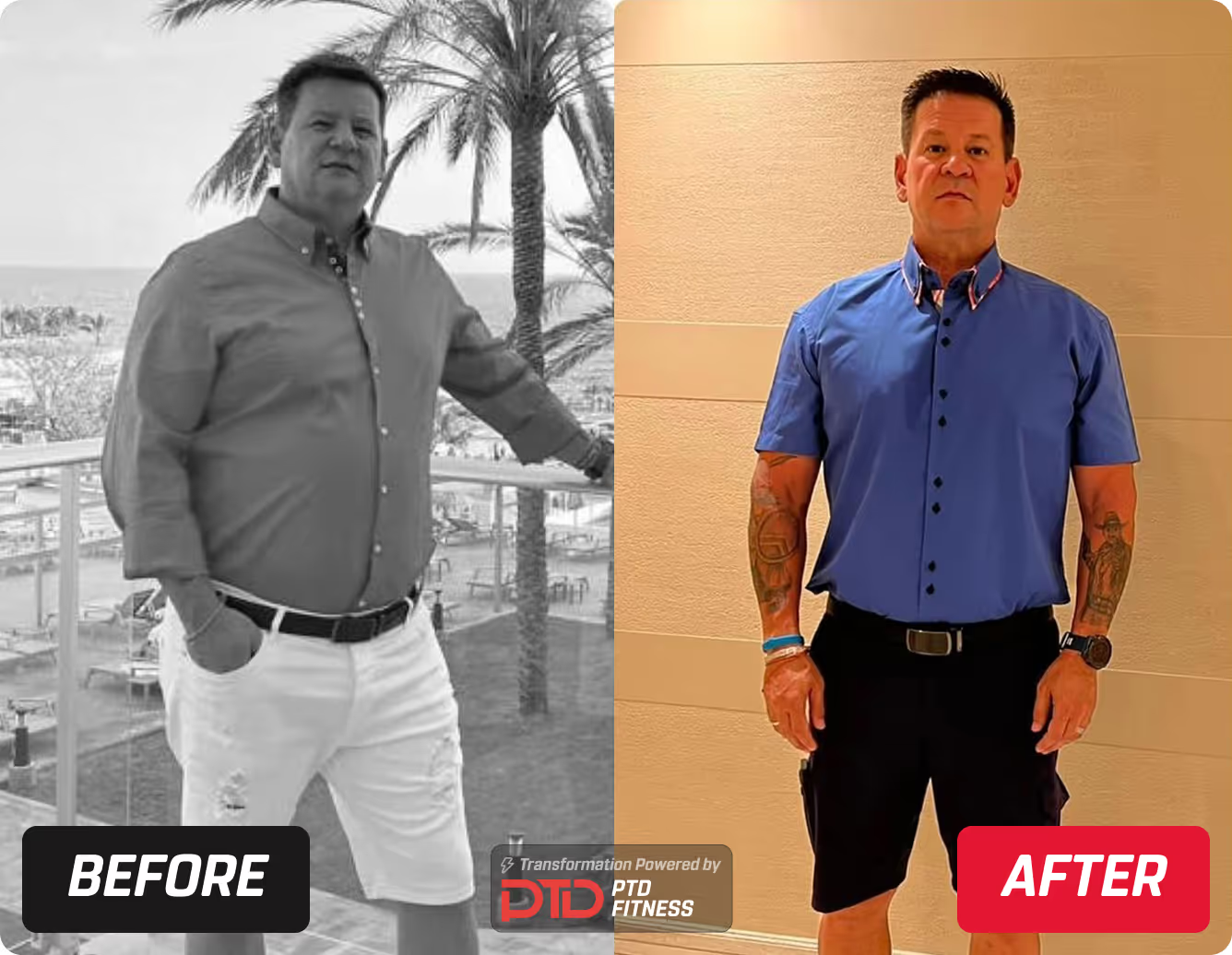
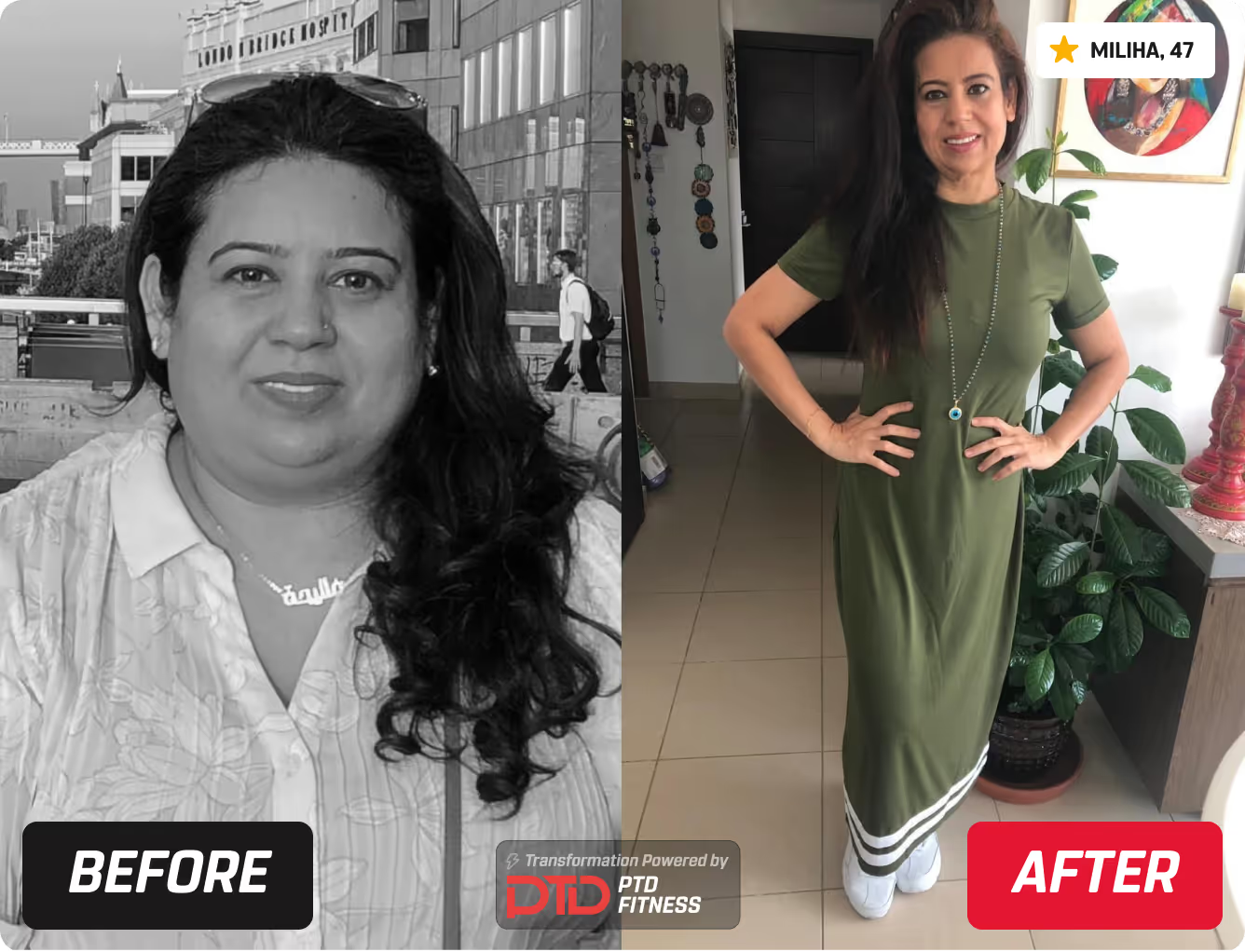
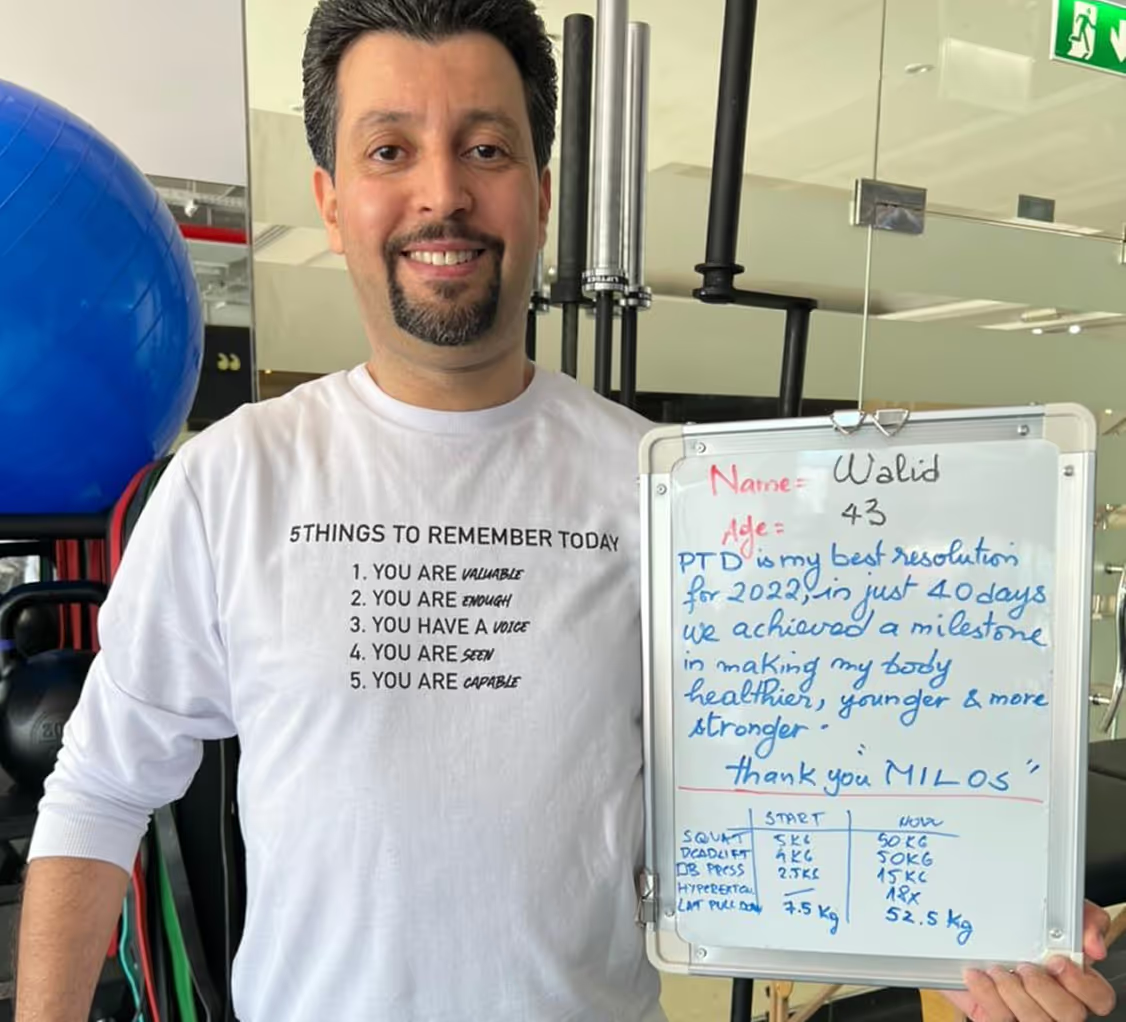
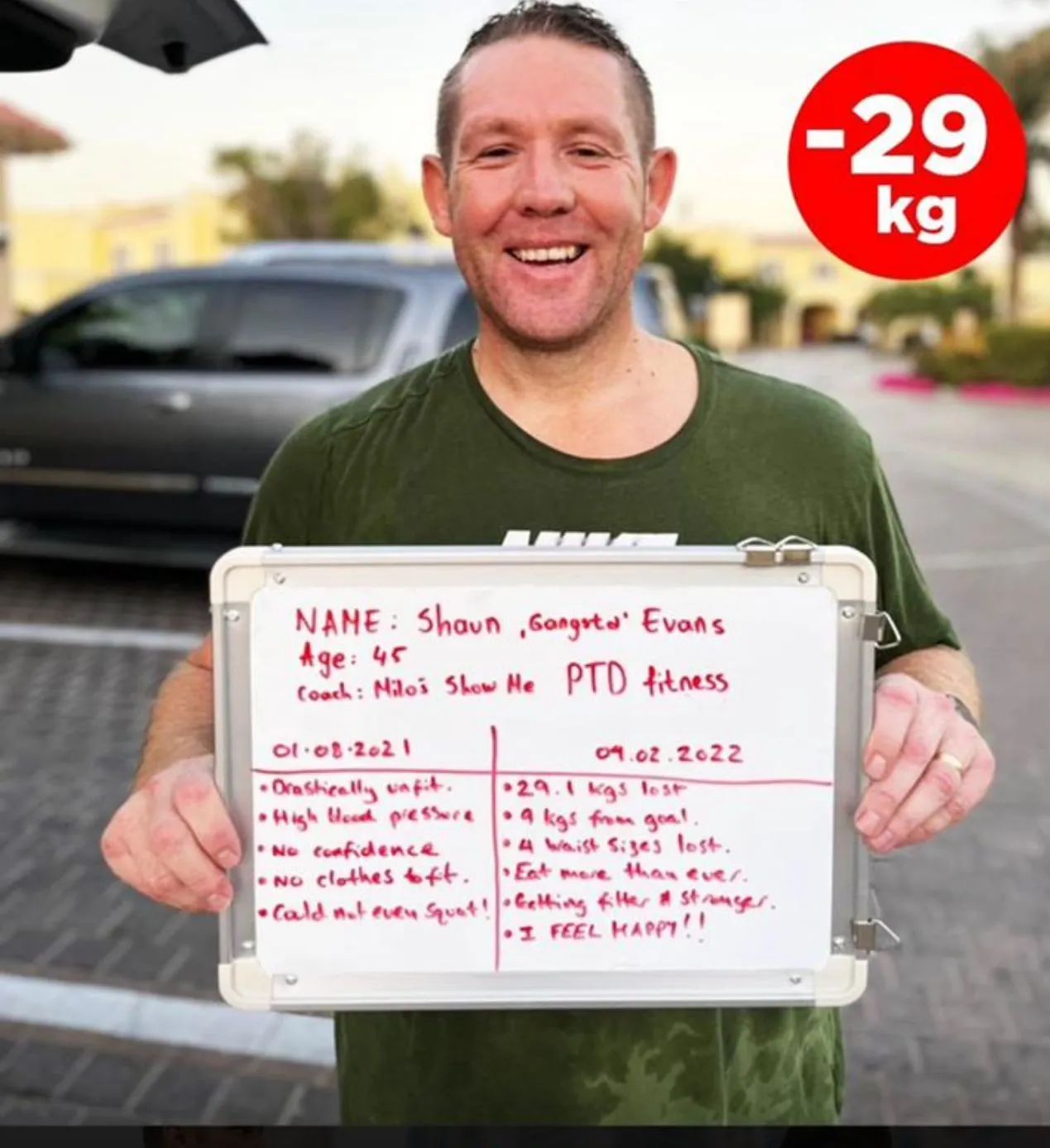
Why the over-40 body transformation is different — and why generic advice fails
Most online fitness advice is written for men in their mid-20s to early 30s. The hormonal environment, recovery capacity, and risk profile of a 42-year-old are fundamentally different — and applying the same protocol produces weaker results and higher injury risk.
Two specific biological changes shape the over-40 programme:
Testosterone decline
Testosterone declines gradually in men from the mid-30s — approximately 1% per year on average, though this varies significantly between individuals. By age 45, many men have noticeably lower testosterone than at 30. This affects:
- Muscle-protein synthesis rate: the anabolic response to resistance training is somewhat reduced.
- Fat distribution: lower testosterone correlates with increased abdominal fat storage, particularly visceral fat.
- Recovery speed: lower testosterone slows muscle recovery from training stress.
This does not mean muscle building stops — it means the protocol has to be calibrated for the actual hormonal environment rather than a theoretical one.
Sarcopenia
From approximately age 40 onward, untrained adults lose roughly 1% of muscle mass per year — a finding supported across multiple longitudinal studies on aging and body composition. By age 60, a man who has not resistance-trained may have lost 15–20% of his peak muscle mass.
Research consistently shows that progressive resistance training is the most effective intervention to arrest and reverse this process at any age — including men and women in their 50s, 60s, and beyond.
The practical implication: for men over 40, resistance training is not optional — it is the primary tool for maintaining metabolic health, body composition, and physical function.
The over-40 protocol: what changes and what stays the same
What stays the same
The fundamentals of body transformation do not change after 40:
- Calorie deficit (500–750 kcal/day) drives fat loss
- Protein (2.0 g/kg at the upper end of the range for over-40s) preserves and builds muscle
- Progressive overload — systematically increasing training demand — is still the signal that tells the body to build muscle
- Sleep (7–9 hours) remains the most powerful recovery tool
What changes after 40
1. Longer warm-up (10–15 minutes)
Joint mobility and tissue elasticity decrease with age. Going directly from sitting at a desk to heavy compound lifts increases injury risk significantly. PTD coaches programme 10–15 minutes of movement prep — hip mobility, thoracic rotation, shoulder activation — before every loading session.
2. Protein at the top of the range (2.0 g/kg)
Older muscle exhibits “anabolic resistance” — it requires a larger protein dose to achieve the same muscle-protein synthesis response as younger muscle. Targeting 2.0 g/kg of bodyweight is the evidence-based adjustment for men over 40 who want to preserve or build muscle. For a 90 kg man, that is 180 g of protein per day.
3. Recovery priority — 48–72 hours between sessions for the same muscle group
Men under 30 can often train the same muscle group every 48 hours and recover adequately. Men over 40 consistently report needing 72 hours between heavy sessions for the same muscle group. PTD coaches programme around this with a 3-day full-body or upper/lower split — adequate frequency with sufficient recovery between sessions.
4. Compound-first programming
Isolation exercises (bicep curls, lateral raises) have their place, but for men over 40, the primary training stimulus should come from compound movements: squats, deadlifts, rows, presses. These produce the greatest hormonal response and functional strength adaptation.
5. Body composition tracking, not just scale weight
As men over 40 respond to training, they often build muscle while losing fat simultaneously — body recomposition. The scale can stay flat or rise slightly while the body is visibly changing. PTD uses STYKU 3D body scanning to track lean mass and fat mass independently — this is the only tool that shows what is actually happening.
What 12 weeks looks like for a man over 40 at PTD
Starting point: 90 kg, 28% body fat, desk-job professional, 44 years old.
| Phase | What happens |
|---|---|
| Weeks 1–3 | 3–5 kg scale drop (water/glycogen); strength baselines established; nutrition habits formed |
| Weeks 3–8 | 0.5–1 kg fat loss per week; visible upper-body and abdominal change; energy improving |
| Weeks 8–12 | Training load peaks; TDEE recalibrated; 6–10 kg total fat lost; body composition measurably improved |
The exact outcome depends on the starting body-fat percentage, dietary adherence, sleep quality, and training consistency. For men starting at higher body fat (30%+), 10–14 kg of total scale-weight change in 12 weeks is achievable. For men starting closer to 20–22%, 6–8 kg is realistic — but more of it is fat, and the visible change is often more dramatic per kilogram lost.
Why the at-home model works specifically for men over 40
Men over 40 in Dubai are typically time-poor: senior professional roles, family commitments, long working days. The PTD model — a Master’s-credentialed coach who comes to your home, building gym, or villa — eliminates the commute, the gym queue, and the scheduling friction that causes self-managed programmes to collapse.
The coach also monitors recovery signals that self-managed training misses: joint discomfort, energy patterns, sleep quality, and training-performance trends. These signals matter more after 40 — catching and adjusting for them early is what separates a sustainable 12-week transformation from an injury or burnout.
For the full 12-week body transformation system — including the assessment, STYKU baseline, and 3-session money-back guarantee — see body transformation. To begin with a data-backed starting point, book your free assessment.
Individual results vary. This guide is for educational purposes. Men over 40 with cardiovascular conditions, joint injuries, or hormonal conditions (including hypogonadism) should coordinate with their doctor before starting a new training programme.