Why muscle building changes after 40 — and why it still works
Two biological realities reshape the approach to building muscle after 40:
Sarcopenia: the slow muscle thief
From approximately age 40, untrained adults lose roughly 1% of muscle mass per year — a process called sarcopenia, documented across multiple longitudinal studies. By age 60, someone who has not engaged in resistance training may have lost 15–20% of their peak muscle mass. The consequences are not just aesthetic:
- Lower resting metabolic rate (less muscle = fewer calories burned at rest)
- Reduced insulin sensitivity
- Greater injury risk and reduced physical function
- Accelerated body-fat gain at the same calorie intake
Resistance training arrests and reverses sarcopenia. This is not a marketing claim — it is consistently demonstrated in clinical literature across age groups including 60s, 70s, and older adults. The earlier you start, the more muscle you protect.
Testosterone and anabolic hormone decline
Testosterone in men declines from the mid-30s (approximately 1% per year). This reduces the rate of muscle-protein synthesis in response to training — not to zero, but measurably lower than at 25. The practical effect is that building muscle after 40 takes somewhat longer than it did in your 20s, and the protocol must compensate:
- Higher protein (2.0 g/kg vs. 1.6 g/kg at the lower end of the range for younger trainees)
- Heavier loads relative to bodyweight — a stronger training stimulus is needed to overcome anabolic resistance
- More recovery time between sessions targeting the same muscle group
A 2025 meta-analysis (PMC12445185) on resistance training in post-menopausal women confirms that even in the most significant hormonal decline — post-menopause — resistance training remains the most effective intervention for preserving and building muscle. The same principle applies to men.
The evidence-based over-40 protocol
Protein: 2.0 g/kg, spread across 3–4 meals
The ISSN protein position stand (PMC5477153) establishes 1.6–2.0 g/kg as the range for muscle building in active trainees. For men and women over 40, target the top of the range — 2.0 g/kg — because older muscle exhibits anabolic resistance: it requires a larger protein stimulus to produce the same muscle-protein synthesis response as younger muscle.
A further dose-response meta-analysis (PMC9441410) confirms that gains plateau above approximately 2.2 g/kg, so eating more than 2.0 g/kg produces diminishing returns.
Protein targets by bodyweight at 2.0 g/kg:
| Bodyweight | Daily protein target |
|---|---|
| 70 kg | 140 g |
| 80 kg | 160 g |
| 90 kg | 180 g |
| 100 kg | 200 g |
Halal high-protein staples for Dubai: chicken breast, lean beef mince, eggs (6g each), Greek yoghurt, labneh, cottage cheese, canned tuna, lentils with rice, and protein-enriched dairy. For the full Dubai nutrition breakdown, see build muscle.
Training: compound-first, 48–72h recovery
Compound movements first: squats, deadlifts, rows, presses, and pull movements produce the greatest hormonal response and functional strength. For men and women over 40, compound-first programming also produces the most efficient use of limited training time — every session at PTD is structured around these movements.
Volume target: 10–20 sets per muscle group per week is the evidence-based hypertrophy range. Beginners over 40 should start at the lower end (10–12 sets/week per muscle group) and progress upward as recovery capacity improves.
Recovery window: allow 48–72 hours between sessions targeting the same muscle group. This is the primary recovery adjustment after 40 — versus 48 hours for most younger trainees. A 3-day full-body split (Monday/Wednesday/Friday) or a 4-day upper/lower split both satisfy this requirement.
Warm-up: 10–15 minutes, not optional
Joint mobility, tendon elasticity, and connective tissue stiffness all change after 40. Going directly from sedentary to heavy lifting without adequate preparation increases injury risk significantly. PTD coaches programme 10–15 minutes of dynamic movement prep before every session — hip mobility, thoracic rotation, shoulder activation, and movement pattern rehearsal. This is not wasted time — it is injury prevention and performance preparation.
Sleep: 7–9 hours
Muscle growth happens during sleep, not during training. Growth hormone secretion peaks in the first hours of deep sleep; muscle-protein synthesis is highest overnight. The 2010 Annals of Internal Medicine study (Nedeltcheva et al.) showed that 5.5 hours of sleep vs. 8.5 hours on the same calorie deficit produced 60% more muscle loss. Sleep is the most powerful recovery tool available — more so after 40 than before it.
What to track instead of just scale weight
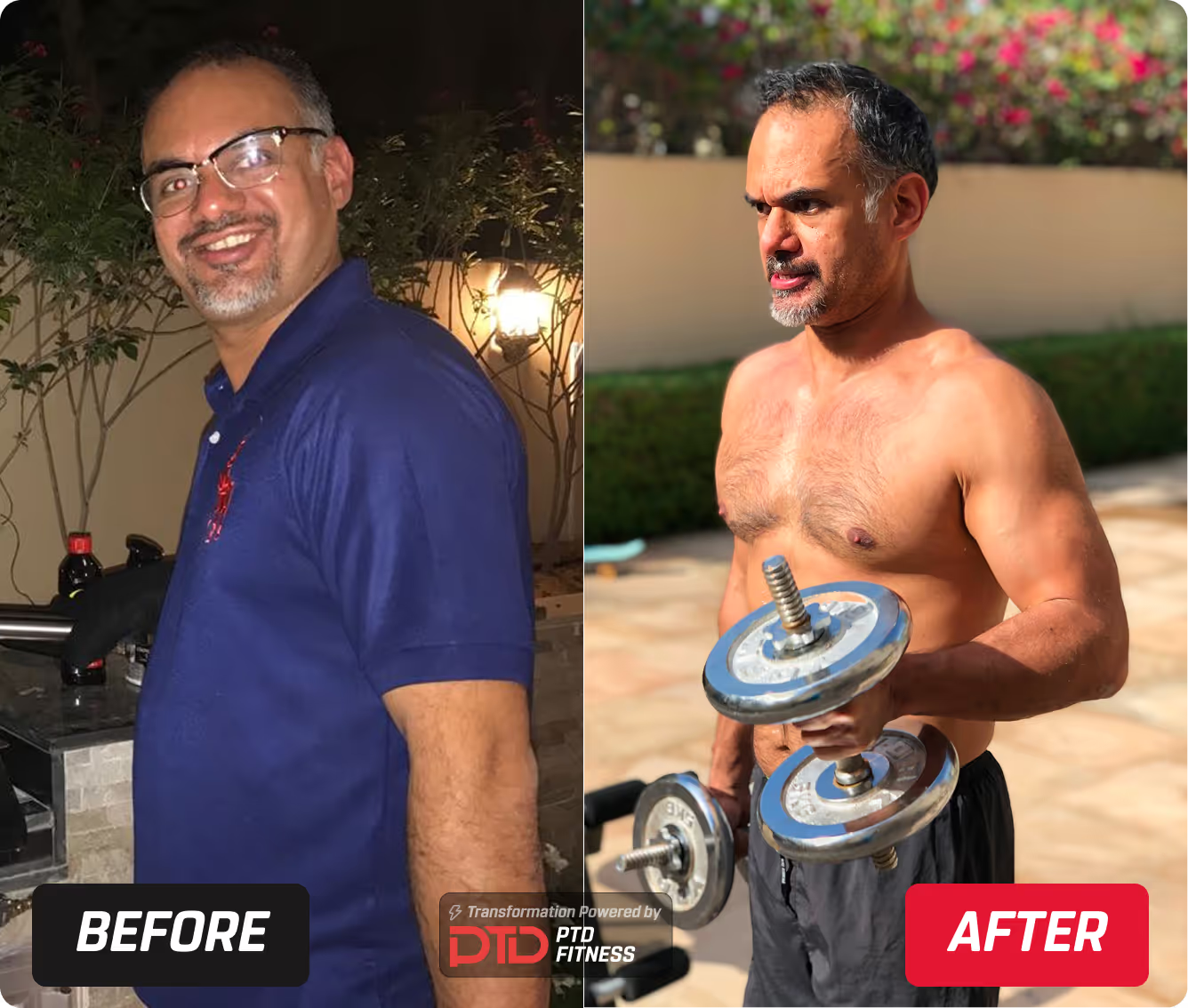
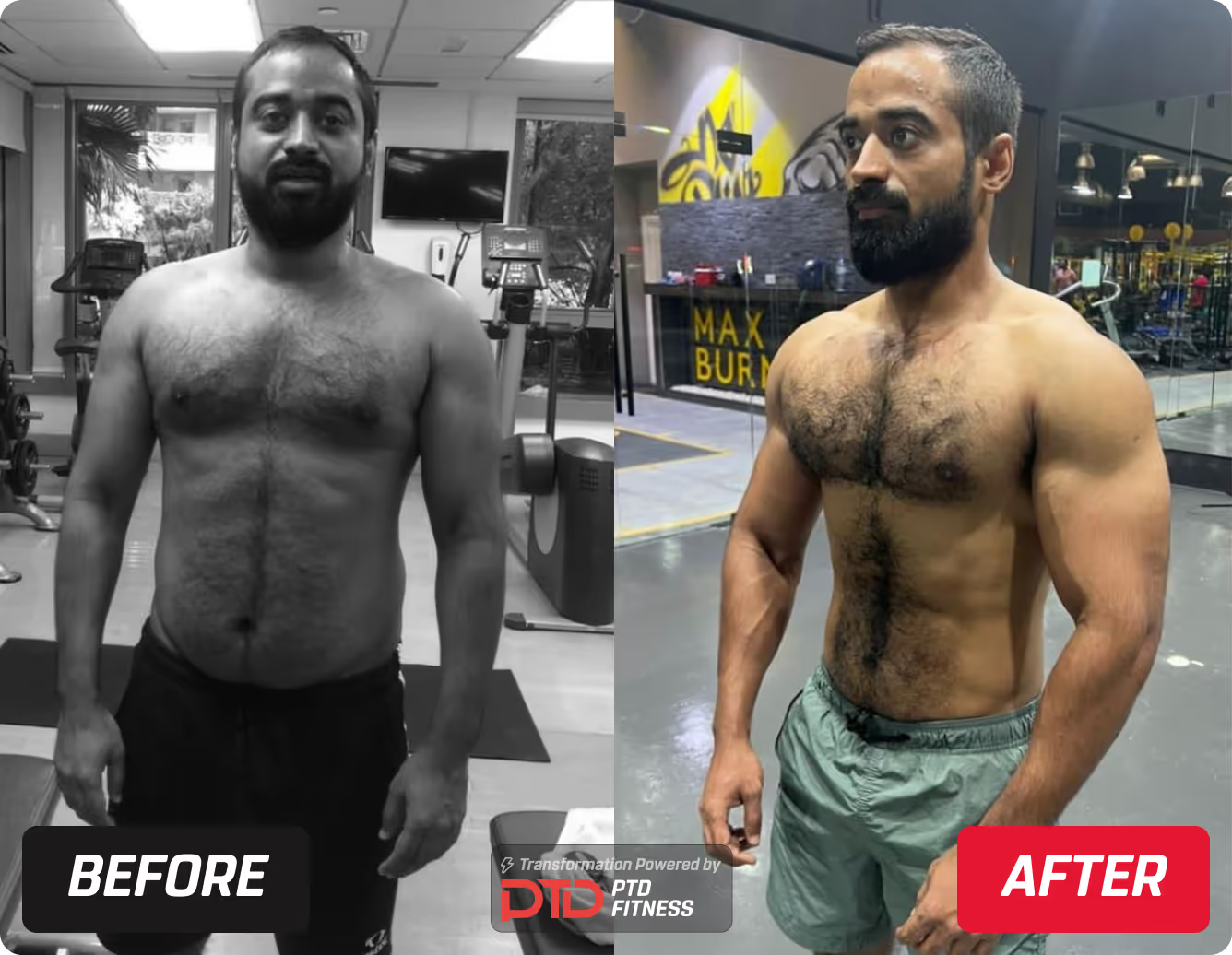
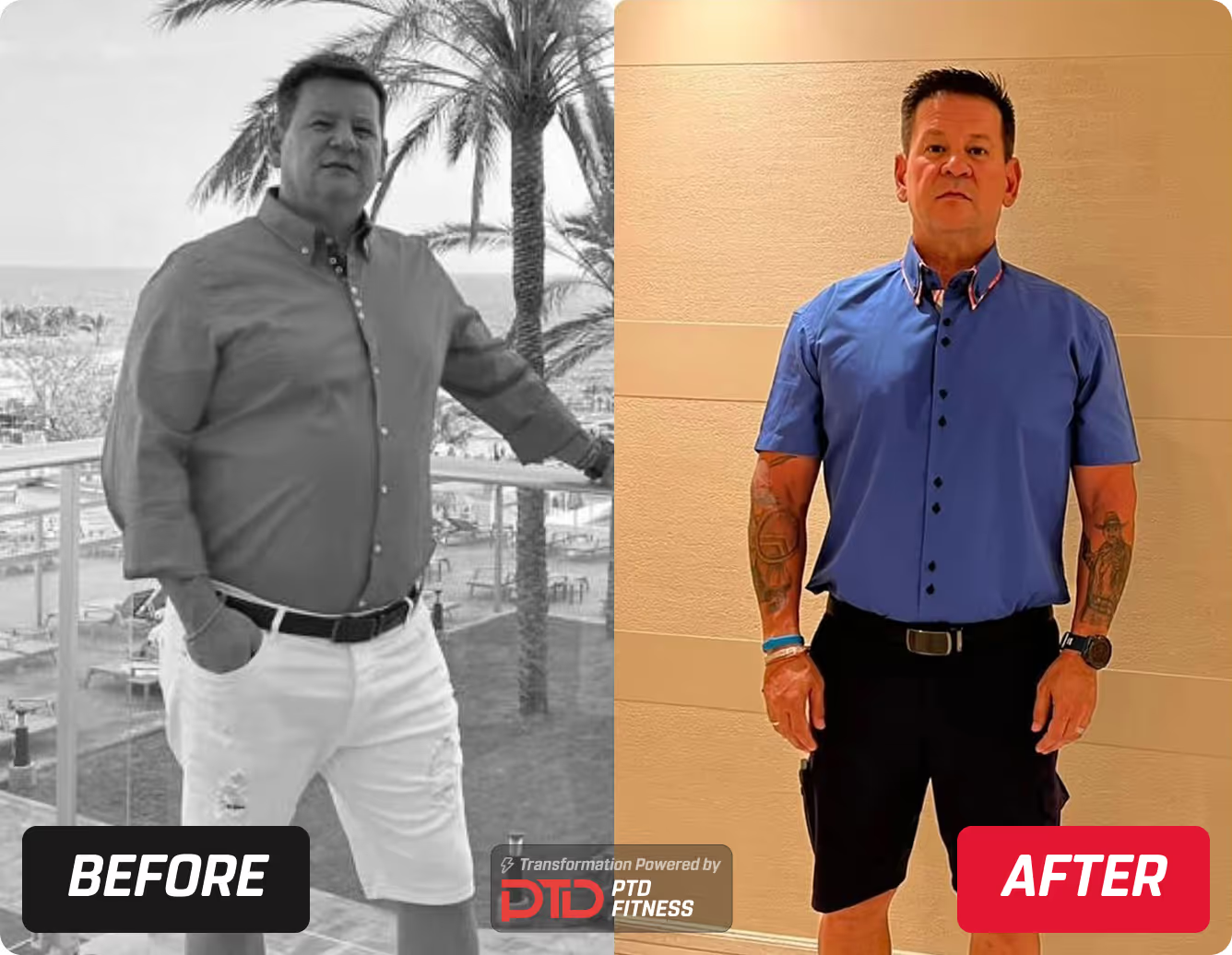
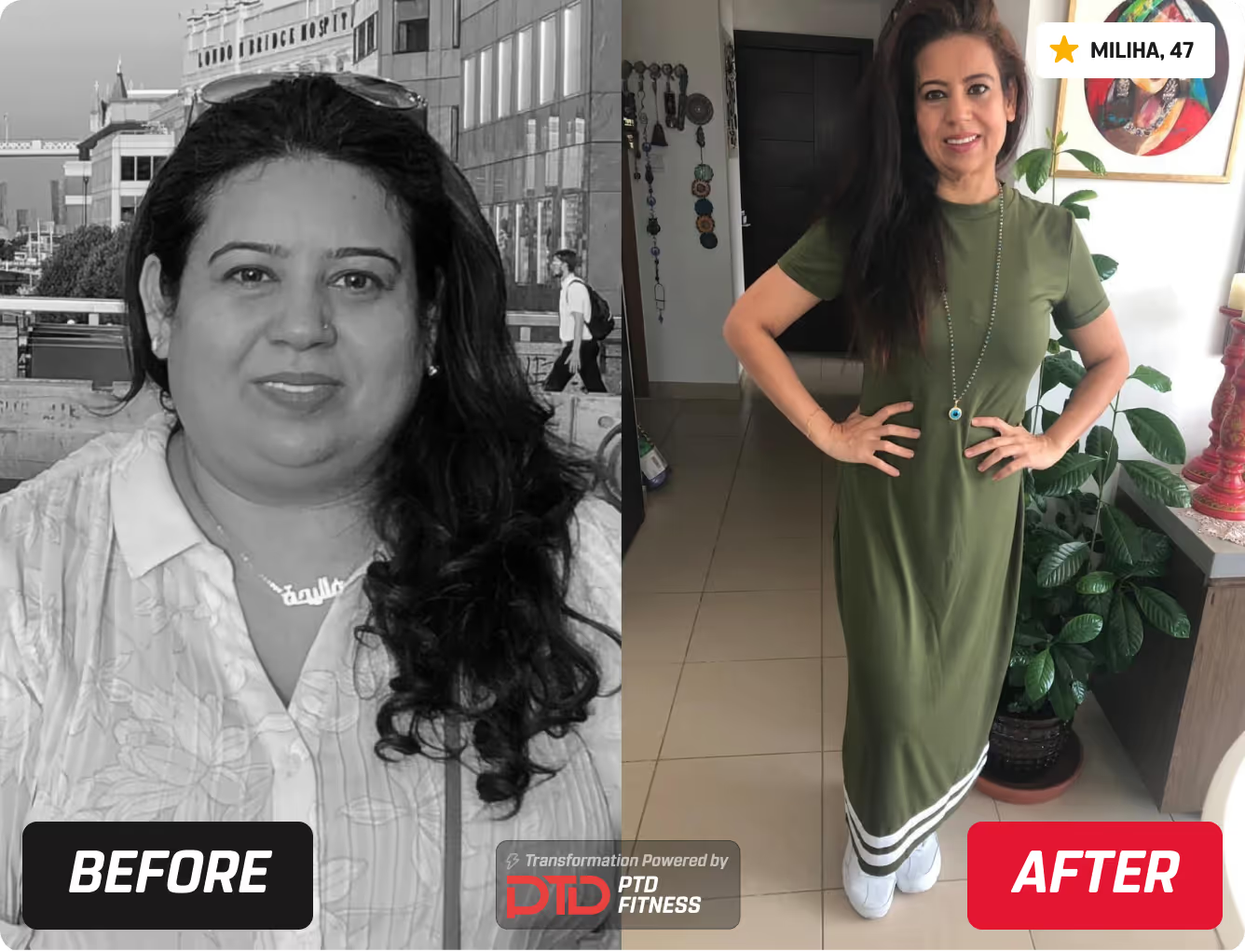
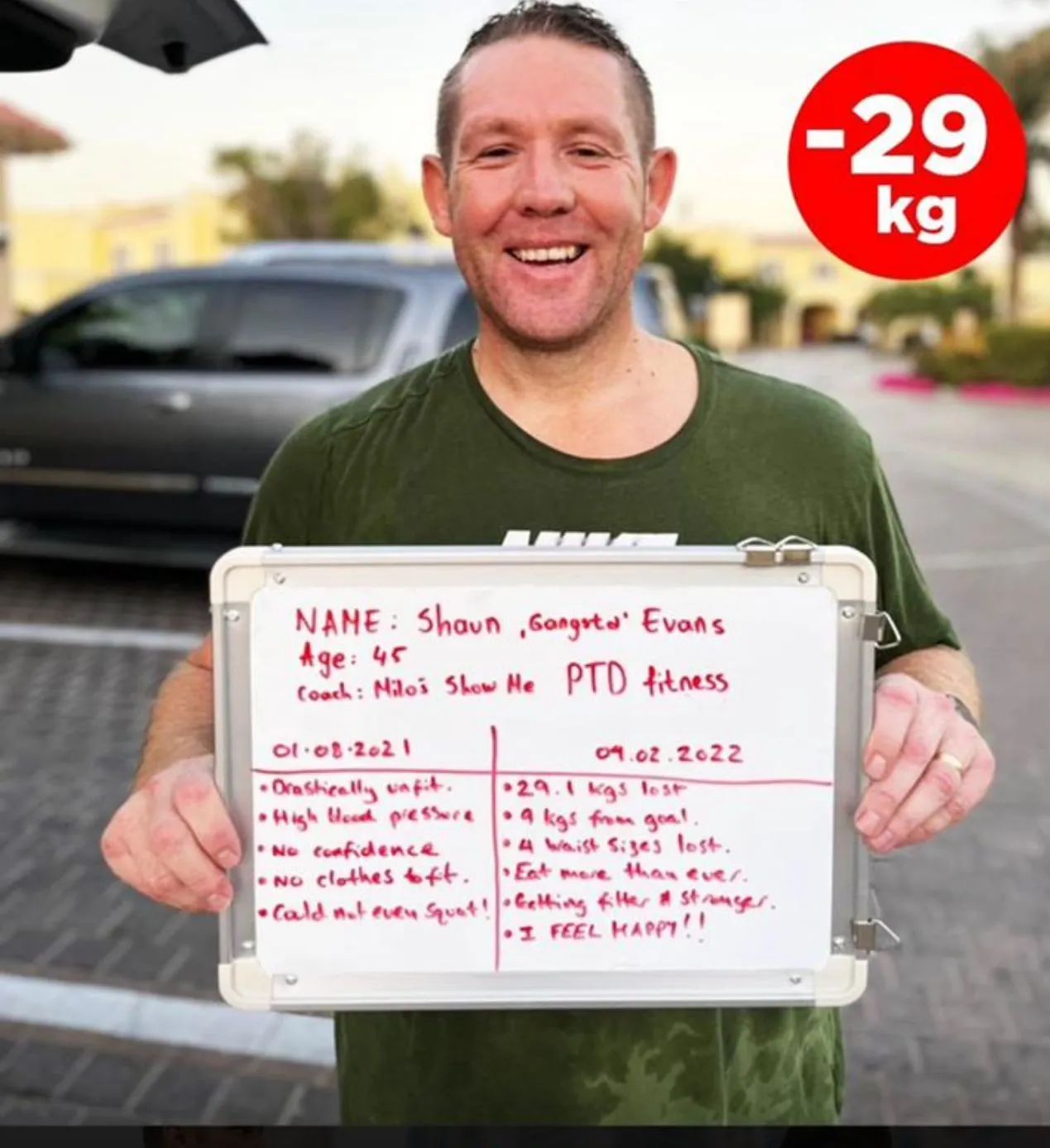
As men and women over 40 build muscle while losing fat, the scale often does not reflect the progress being made. Body recomposition — simultaneous muscle gain and fat loss — is common in over-40 clients who are new to structured training. The scale stays flat; the body is changing.
PTD tracks this with STYKU 3D body composition scanning — establishing a fat-mass and lean-mass baseline at the free assessment, then re-scanning at regular intervals to show the actual composition change independent of scale weight.
For the full programme framework — training, nutrition, and accountability — see build muscle. To start with a STYKU baseline and personalised over-40 protocol, book your free assessment.
Individual results vary. This guide reflects general training and nutrition principles for adults over 40. Those with cardiovascular conditions, joint injuries, hormonal conditions, or other relevant health history should coordinate with their doctor before starting a new exercise programme.