What 10kg in 12 weeks actually means — and why most advice gets this wrong
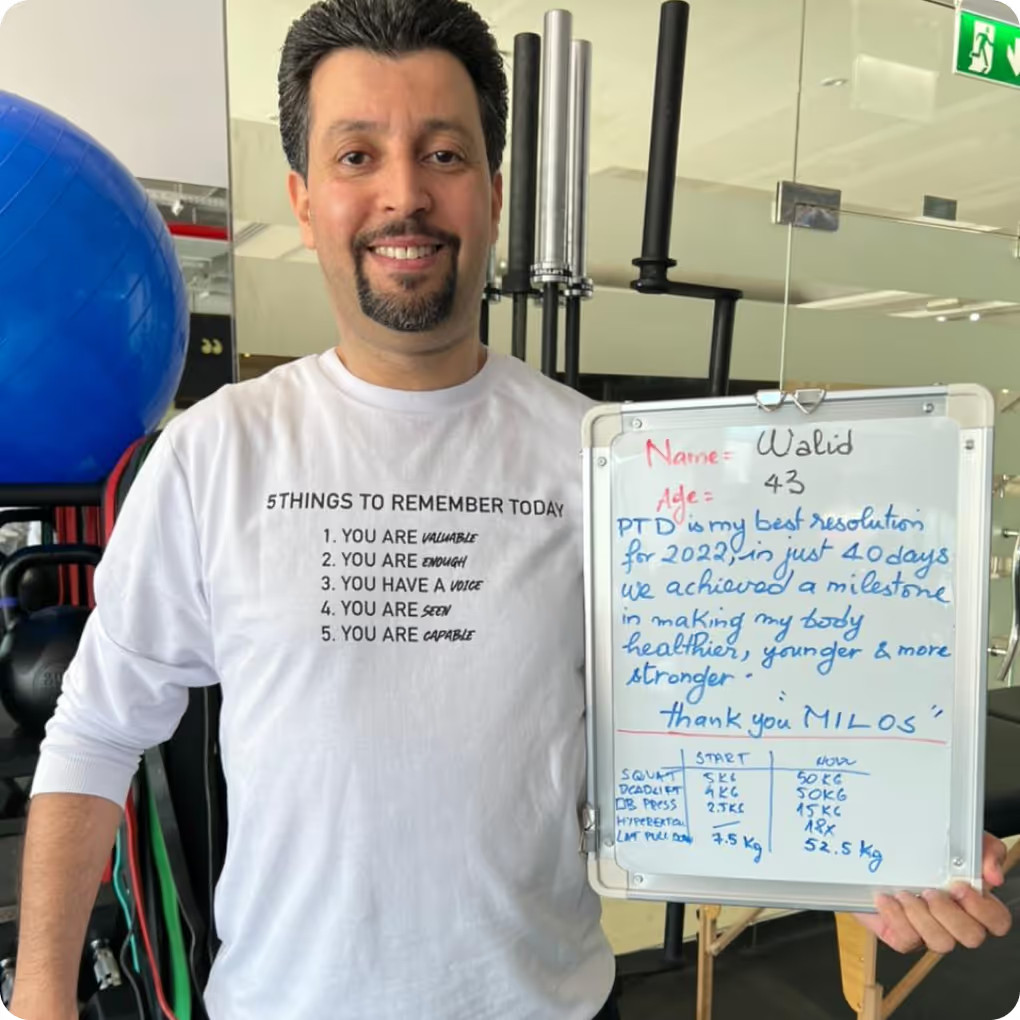
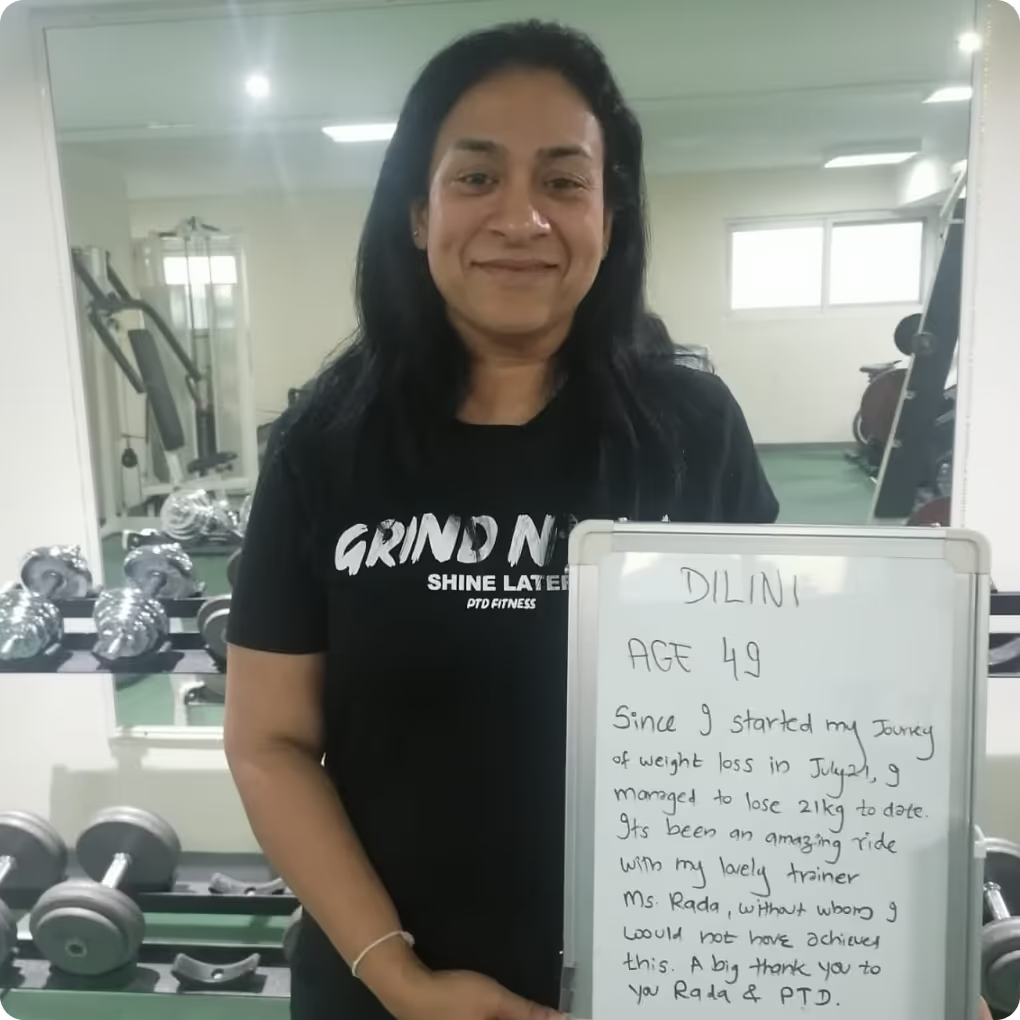
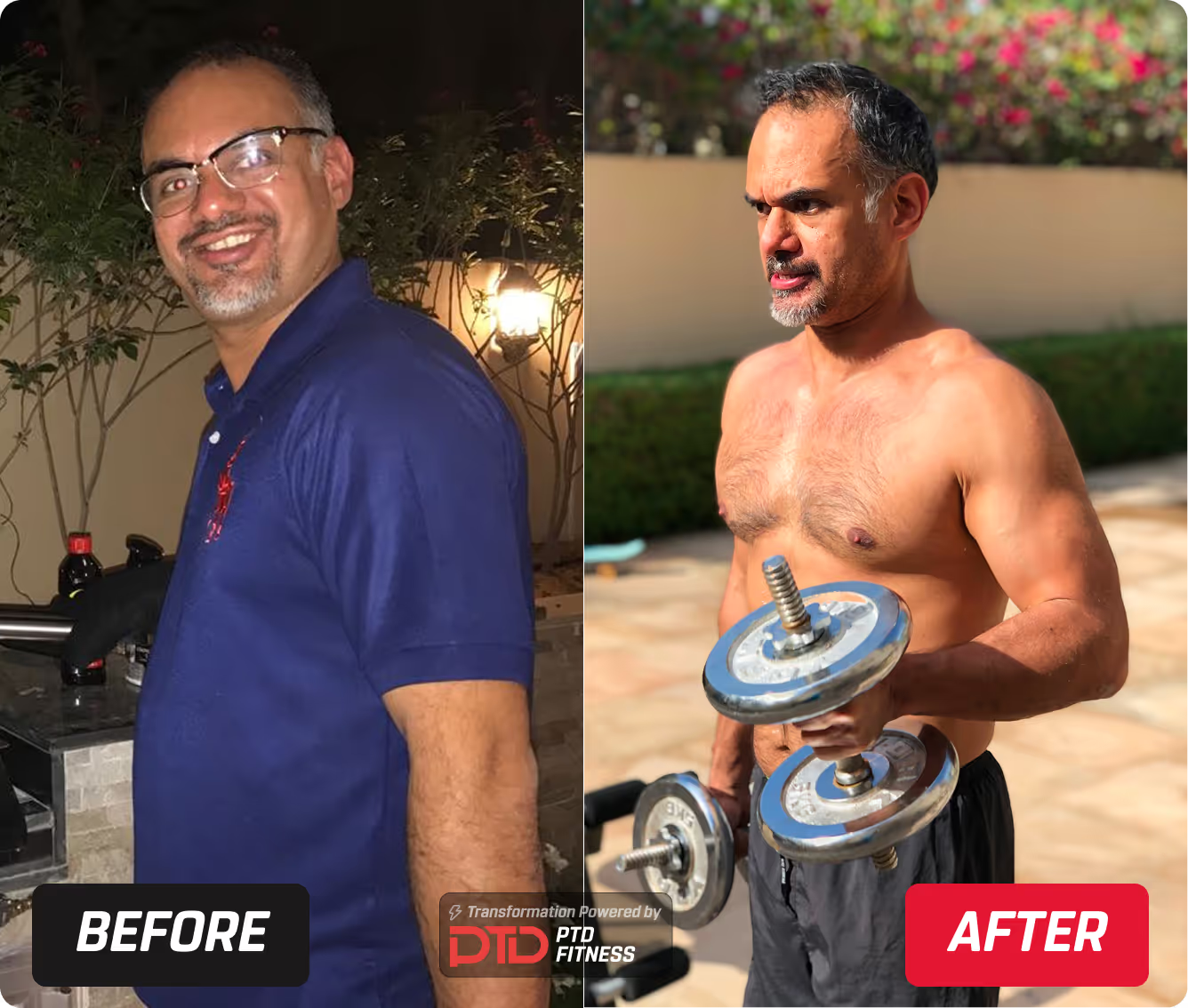
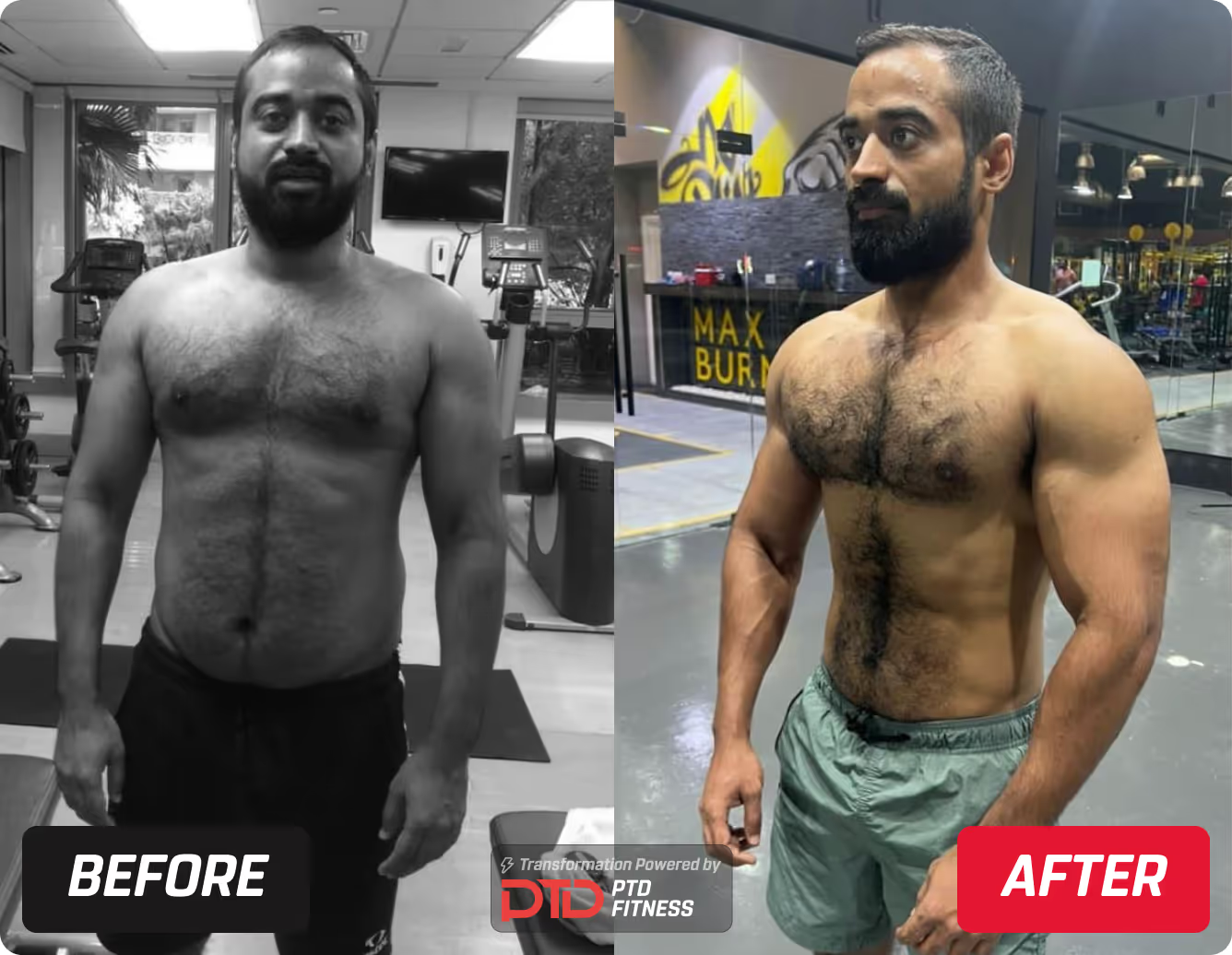
Losing 10kg in 12 weeks is PTD’s core promise — and it is achievable, but only if you understand what that 10kg number actually contains. Most weight-loss advice treats scale weight as a single number. It is not. It is the sum of fat mass, muscle mass, water, glycogen, food in transit, and bone. The scale moves for many reasons, and coaching means knowing which reasons matter.
Here is the honest 12-week breakdown by phase:
Weeks 1–3: The fast drop (water and glycogen)
When you start a calorie deficit and increase your training load, your body rapidly depletes glycogen — the stored carbohydrate in your muscles and liver. Each gram of glycogen is stored with approximately 3 grams of water. A 500–600g reduction in glycogen produces 2–3 kg of immediate scale-weight drop. Add reduced gut transit from cleaner eating and the result is often 3–5 kg on the scale in the first two to three weeks.
This is real and valuable — it is inflammatory weight, excess water, and stored carbohydrate. But it is not all fat, and the rate does not continue.
Safe rate established: 0.5–1 kg per week, per Mayo Clinic and NIH guidelines.
Weeks 3–10: True fat loss
With a 500–750 kcal daily deficit, resistance training, and protein at 1.6–2.0 g/kg, fat loss averages 0.5–1 kg per week. Over eight weeks, that is 4–8 kg of actual fat — visible in the mirror and measurable via STYKU 3D body composition scanning, not just the scale.
This is where the programme’s results are actually built. The first-week drop is motivating, but weeks three to ten are where the transformation happens.
Weeks 11–12: Consolidation
As your bodyweight drops, your total daily energy expenditure decreases. The deficit that produced results at week two may have shrunk by week ten because your body now requires fewer calories at a lower weight. PTD coaches recalibrate calorie targets and adjust training load in this final phase to push through the natural slowdown.
Who realistically loses 10kg in 12 weeks
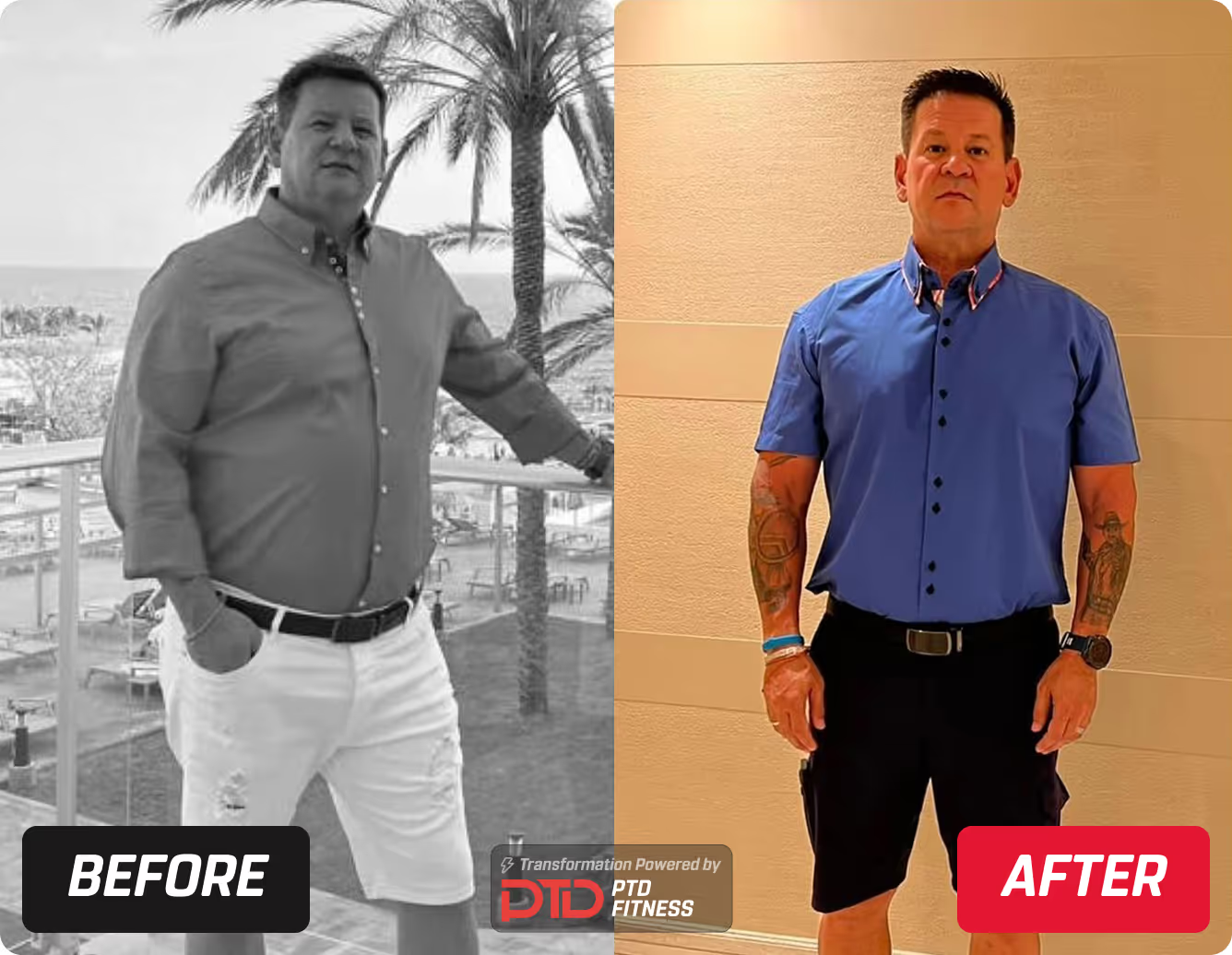
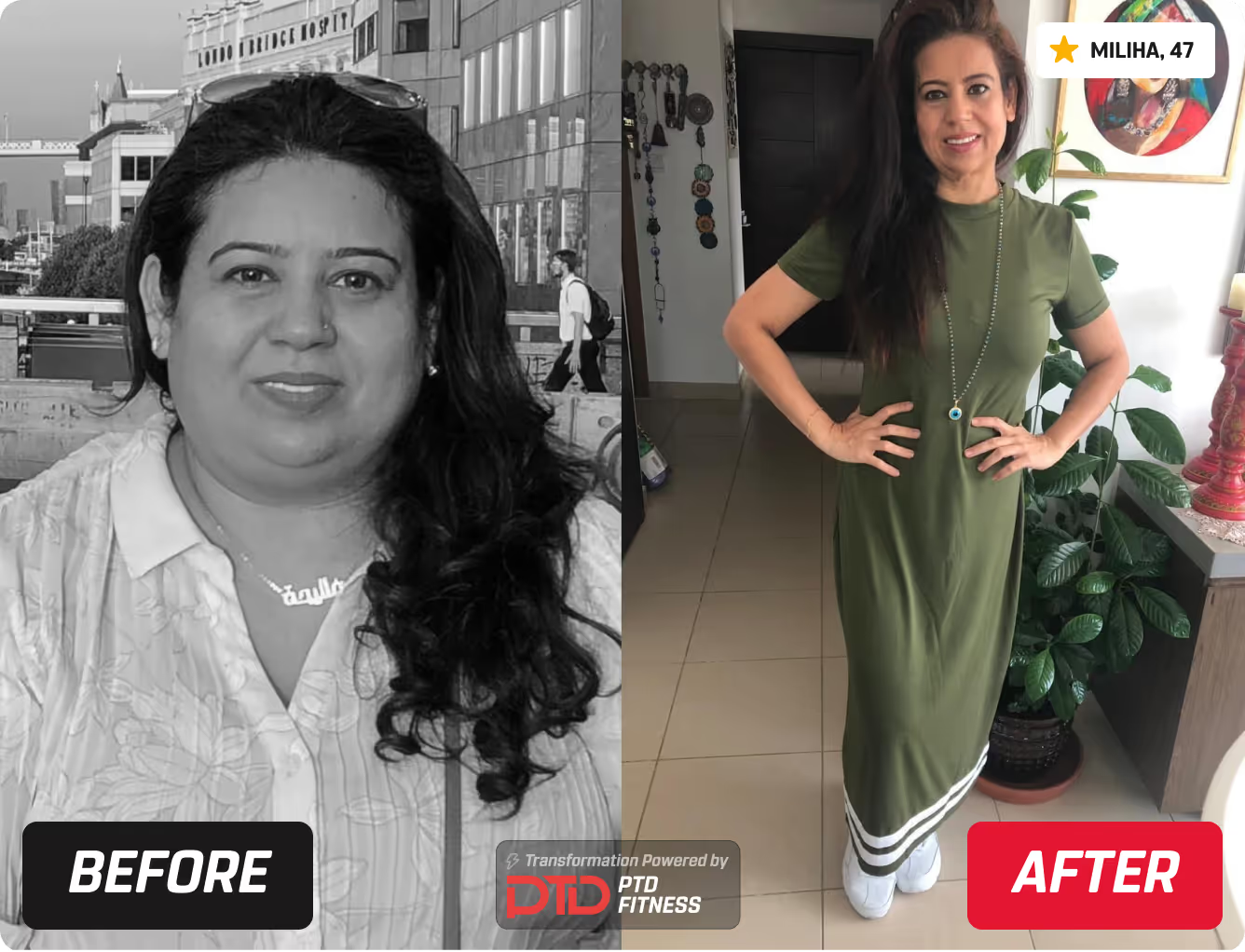
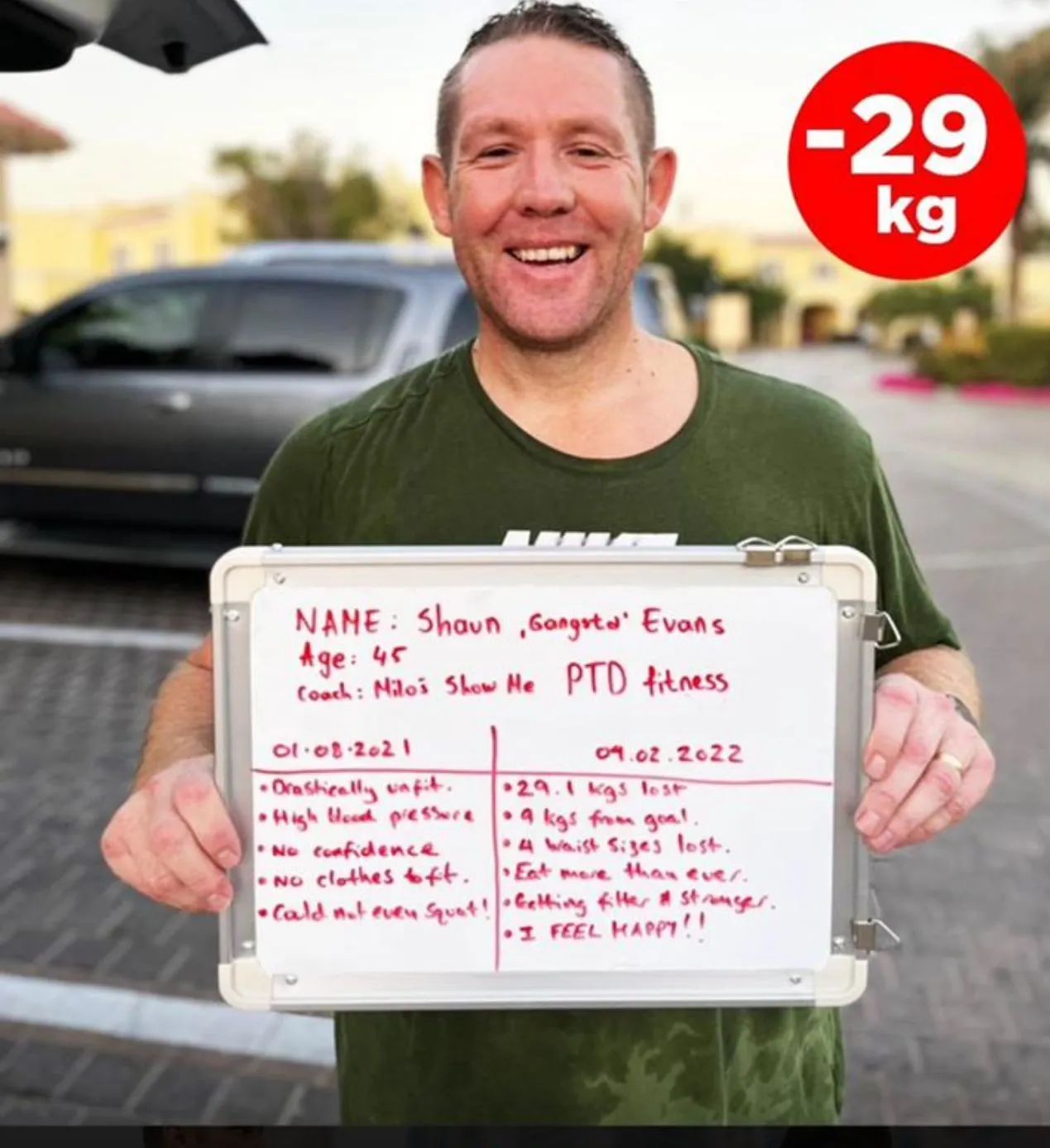
The 10–15kg figure that PTD’s 12-week transformation is known for applies to a specific starting profile. Here is the honest breakdown:
| Starting profile | Realistic 12-week outcome |
|---|---|
| Higher body fat (30%+ in men, 35%+ in women), new to training | 10–15kg total scale-weight change; significant water + real fat loss |
| Moderate body fat (20–30% in men, 28–35% in women), some training history | 7–10kg total; more of this is fat |
| Leaner starting point (under 20% / under 28%), experienced trainer | 5–8kg; higher proportion fat, scale moves slower |
The higher-end results (12–15 kg in 12 weeks) happen at higher starting body-fat percentages, where the body has more fat to mobilise and the initial water drop is larger. At a leaner starting point, 6–8 kg is a strong, predominantly fat-based result — and often more visible in the mirror because less muscle is obscured by fat.
The four variables that determine whether you hit the target
1. Calorie deficit — consistent, not aggressive
A daily deficit of 500–750 kcal produces 0.5–1 kg per week of fat loss at a pace that preserves muscle. Larger deficits accelerate muscle loss and metabolic adaptation — slowing results after the first few weeks despite the aggressive restriction.
2. Protein — the non-negotiable
At 1.6–2.0 g of protein per kg of bodyweight per day, your body has no metabolic reason to break down muscle for fuel. This is the ISSN evidence-based target (PMC5477153) for people in active training. Halal sources that hit this in Dubai: chicken breast, lean beef, eggs, Greek yoghurt, cottage cheese, and lentils with rice.
3. Resistance training — not cardio
Cardio burns calories during the session. Resistance training preserves and builds the metabolically active muscle tissue that keeps your resting metabolic rate elevated throughout the programme. At PTD, coaching is delivered at home — no gym required, no commute, no summer heat.
4. Sleep — the variable most people ignore
The 2010 Annals of Internal Medicine landmark study (Nedeltcheva et al.) showed that dieters sleeping 5.5 hours lost 60% more muscle and 55% less fat than those sleeping 8.5 hours on the same calorie deficit. Poor sleep erases the results of good diet and training. Seven to nine hours is the target.
Why coaching makes the difference
Supervised training clients lose approximately 1.61 kg more fat than self-directed trainees, according to a 2024 ScienceDirect analysis. The reason is not that coaches know a secret — it is that accountability eliminates the skip days, the tracking gaps, and the weeks where nothing happens because no one is watching.
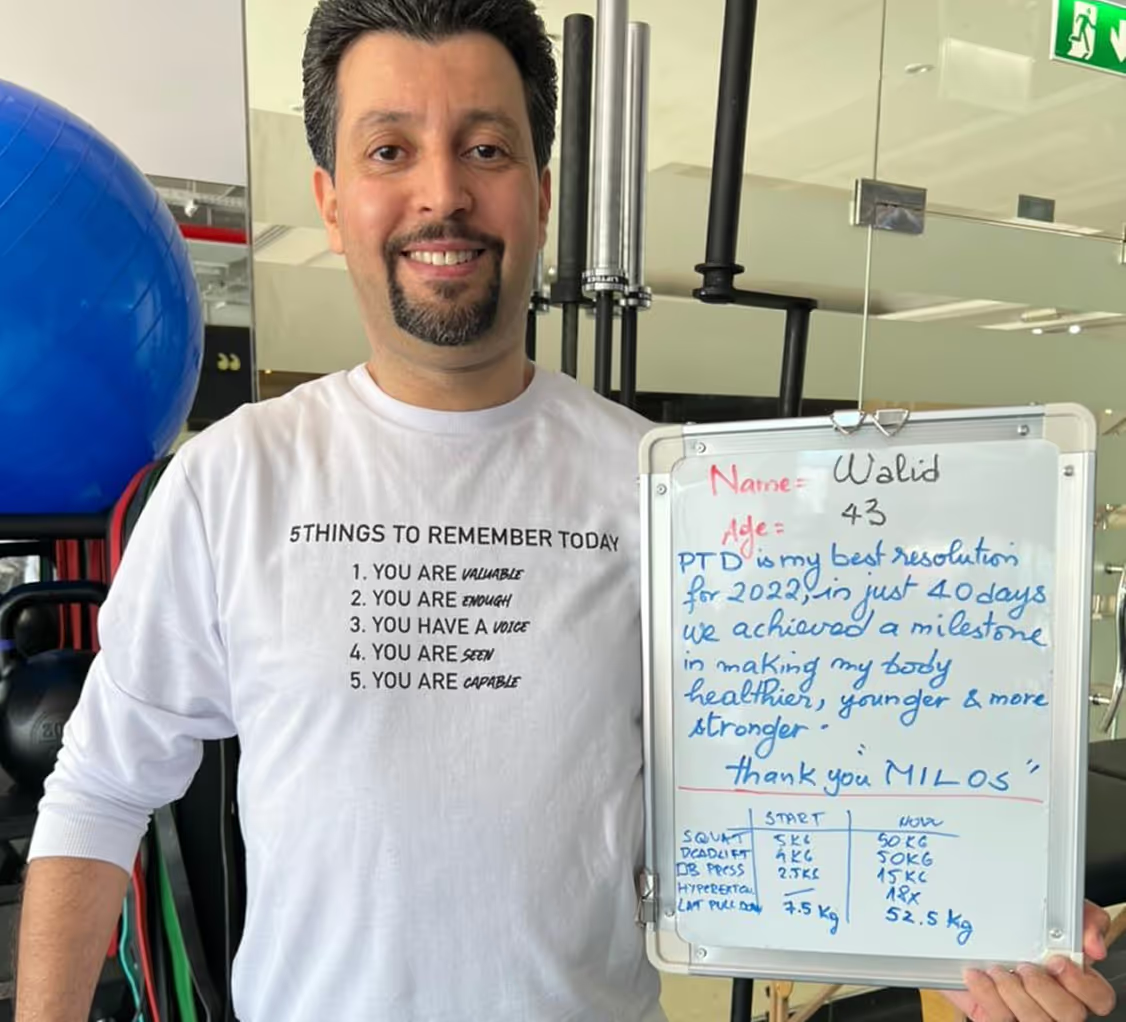
PTD’s model is a Master’s-credentialed coach who comes to your home or building gym across Dubai and Abu Dhabi, tracking your results every session. The 12-week body transformation is backed by a 3-session money-back guarantee and starts with a free assessment that establishes your STYKU 3D body composition baseline.
For the full coaching system, see body transformation. For what to eat across a deficit in Dubai, see the weight loss guide.
Book your free assessment to start with a STYKU baseline and a realistic, data-backed 12-week target.
Individual results vary. This guide is for educational purposes. Safe weight-loss rate varies by starting point, health history, and individual factors. Coordinate with your doctor if you have any underlying health conditions affecting weight or metabolism.