UAE BMI Calculator
Calculate your Body Mass Index using the standard formula — with WHO category ranges and an important caveat about why BMI alone is not enough to assess body composition.
BMI (weight in kg divided by height in metres squared) classifies weight into four WHO categories: underweight (<18.5), healthy (18.5–24.9), overweight (25–29.9), and obese (≥30). Important caveat: BMI cannot distinguish between muscle and fat. A trained person and an untrained person can share the same BMI with very different health profiles. For meaningful body-composition insight, body fat percentage measurement (DEXA, InBody scan, or STYKU 3D body scan) is preferred.
Formula: BMI = kg / m². Categories: WHO classification. Caveats: well-documented in sports science and clinical literature.
How BMI is calculated and what the categories mean
BMI (Body Mass Index) is a simple formula that uses height and weight to produce a number used to classify body weight categories. It was developed by Adolphe Quetelet in the 19th century as a population-level statistical tool and was later adopted by WHO for clinical weight classification.
BMI formula: BMI = weight (kg) / height (m)²
Example: 80 kg, 175 cm → 80 / (1.75 × 1.75) = 80 / 3.0625 = 26.1 → Overweight category
| BMI range | WHO category | General implication |
|---|---|---|
| Below 18.5 | Underweight | May indicate insufficient energy intake or muscle mass. Consult a healthcare professional. |
| 18.5 – 24.9 | Healthy weight | Within the standard range for most adults. Body composition still varies widely within this range. |
| 25.0 – 29.9 | Overweight | Above the standard healthy range. May indicate excess body fat — or excess muscle in trained individuals. |
| 30.0 and above | Obese | Associated with increased health risks. Body composition assessment and medical consultation recommended. |
Why BMI has significant limitations
BMI was designed as a population-level statistical tool, not an individual diagnostic. Its core limitation is that it treats all weight equally — a kilogram of muscle and a kilogram of fat register identically on the BMI scale. This creates several well-documented problems:
- Muscular individuals are misclassified: A person with high lean muscle mass and low body fat can have a BMI in the "overweight" or even "obese" range while being metabolically healthy.
- Thin-fat individuals are missed: A person with low muscle mass and high body fat percentage can have a "healthy" BMI while carrying metabolically harmful levels of visceral fat.
- No fat distribution information: Visceral fat (around the organs) carries significantly more health risk than subcutaneous fat — BMI cannot differentiate between them.
- Population-specific thresholds: Research suggests South Asian and Arab populations may have elevated metabolic risk at lower BMI values than the standard WHO cut-offs imply.
BMI ignores muscle mass and body composition. Two people with the same BMI can have completely different health profiles. PTD Fitness coaches use STYKU 3D body scanning and body composition metrics (body fat percentage, lean mass, circumference measurements) — not BMI — to track client progress accurately.
Better ways to track body composition in the UAE
Rather than relying on BMI, these body-composition assessment methods give a more complete picture of health and fitness progress:
STYKU 3D body scanning (used by PTD Fitness)
STYKU uses infrared technology to produce a precise 3D model of your body in under a minute. It measures hundreds of circumference points, estimates body fat percentage, and tracks changes in lean mass and fat mass over time — with no radiation exposure. PTD Fitness integrates STYKU scanning directly into client programmes, providing objective body composition data at every stage of your transformation.
InBody scan (bioelectrical impedance)
InBody scans measure body fat percentage, lean muscle mass, and water distribution using a weak electrical current. Results are available in minutes, with no radiation exposure. InBody machines are available at many Dubai and Abu Dhabi fitness centres and private clinics. The output shows not just body fat percentage but segmental muscle distribution — useful for identifying muscle imbalances.
DEXA scan (gold standard)
Dual-energy X-ray absorptiometry (DEXA) is considered the gold standard for body composition measurement. It differentiates bone density, lean soft tissue, and fat mass with high precision. DEXA scans are available at medical imaging centres in Dubai. A single scan provides a complete baseline for tracking body composition changes over a programme.
Circumference measurements
Regular waist, hip, and limb circumference measurements, tracked by a coach, provide a practical and free way to monitor body composition changes. Waist circumference in particular correlates better with metabolic health risk than BMI — a waist above 88 cm for women or 102 cm for men is associated with elevated cardiometabolic risk, regardless of BMI.
Frequently asked questions
What is a healthy BMI range?
WHO classifies BMI as follows: below 18.5 is underweight, 18.5–24.9 is healthy weight, 25–29.9 is overweight, and 30 or above is obese. However, these thresholds have well-documented limitations — they do not account for muscle mass, fat distribution, or population-specific metabolic risk. Use BMI as a rough reference point, not a definitive health verdict.
Why is BMI not a reliable health indicator?
BMI cannot distinguish between muscle and fat. A muscular athlete and an untrained person with high body fat can share the same BMI with completely different health profiles. BMI also ignores where fat is stored — visceral fat (around organs) carries significantly more health risk than subcutaneous fat, and BMI provides no information about fat distribution. Body composition measurement via DEXA, InBody, or STYKU 3D scan gives a more accurate picture.
Where can I get a body composition scan in Dubai?
PTD Fitness uses STYKU 3D body scanning as part of every client programme — it provides precise body composition data including body fat percentage, lean mass, and circumference measurements. InBody scans are also available at many Dubai and Abu Dhabi fitness centres and clinics. DEXA scans are available at medical imaging centres in Dubai for a comprehensive baseline measurement.
Is BMI calculated differently in the UAE?
The formula is universal: BMI = weight (kg) divided by height in metres squared. However, research suggests South Asian and Arab populations may have higher metabolic risk at lower BMI values compared to standard WHO cut-offs. This is an additional reason to prefer body composition tracking (body fat percentage, waist circumference, STYKU or InBody data) over BMI for health assessment in the UAE.
Should I use BMI to set my weight loss goal?
BMI gives a rough reference but should not be your primary goal metric. A target body fat percentage (e.g. reaching 15–20% body fat for men, 22–28% for women) is more meaningful — especially if you are doing resistance training, as muscle gain can keep your BMI unchanged even while you are losing significant body fat. PTD Fitness coaches focus on body composition rather than scale weight or BMI, using STYKU 3D body scanning to track objective progress.
All calculator results are estimates for educational purposes only. BMI is a population-level statistical tool, not a diagnostic instrument. This content does not constitute medical advice. Consult a healthcare professional for personalised health assessment.
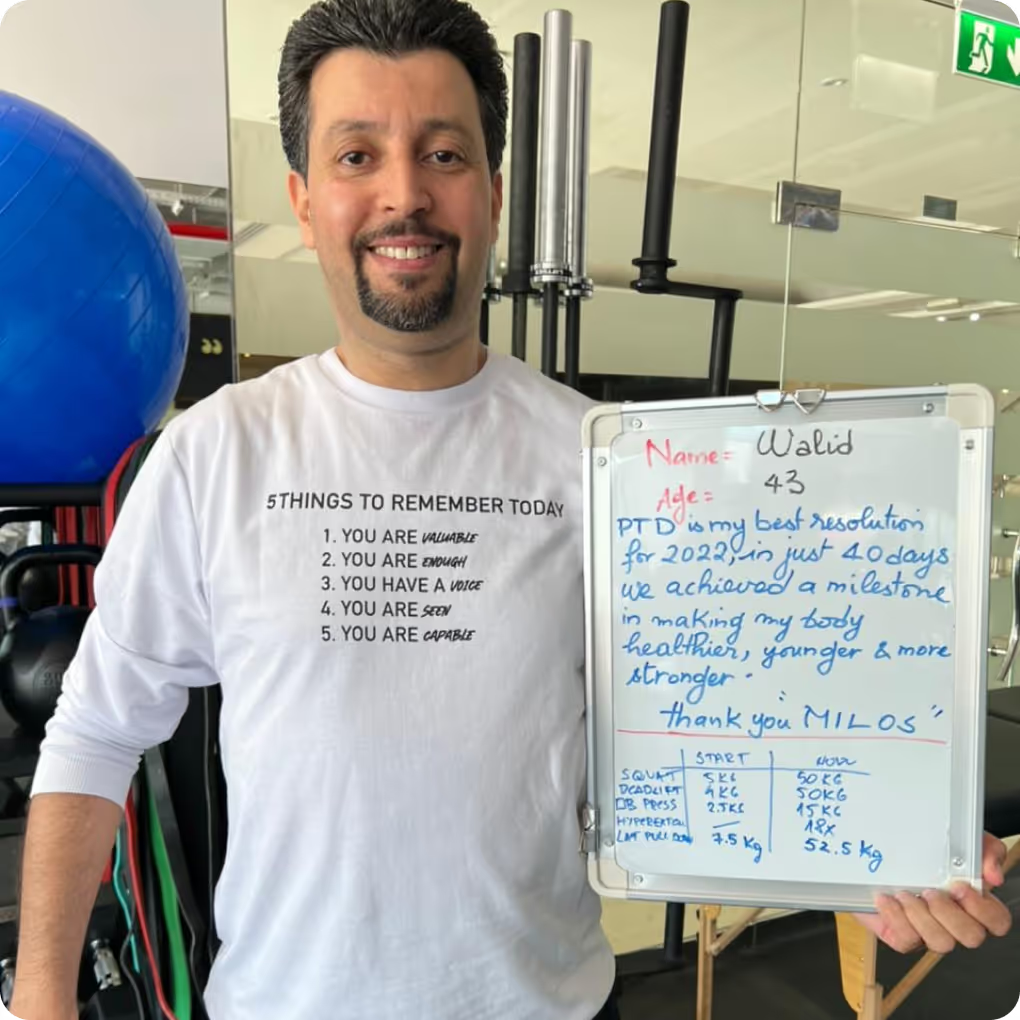
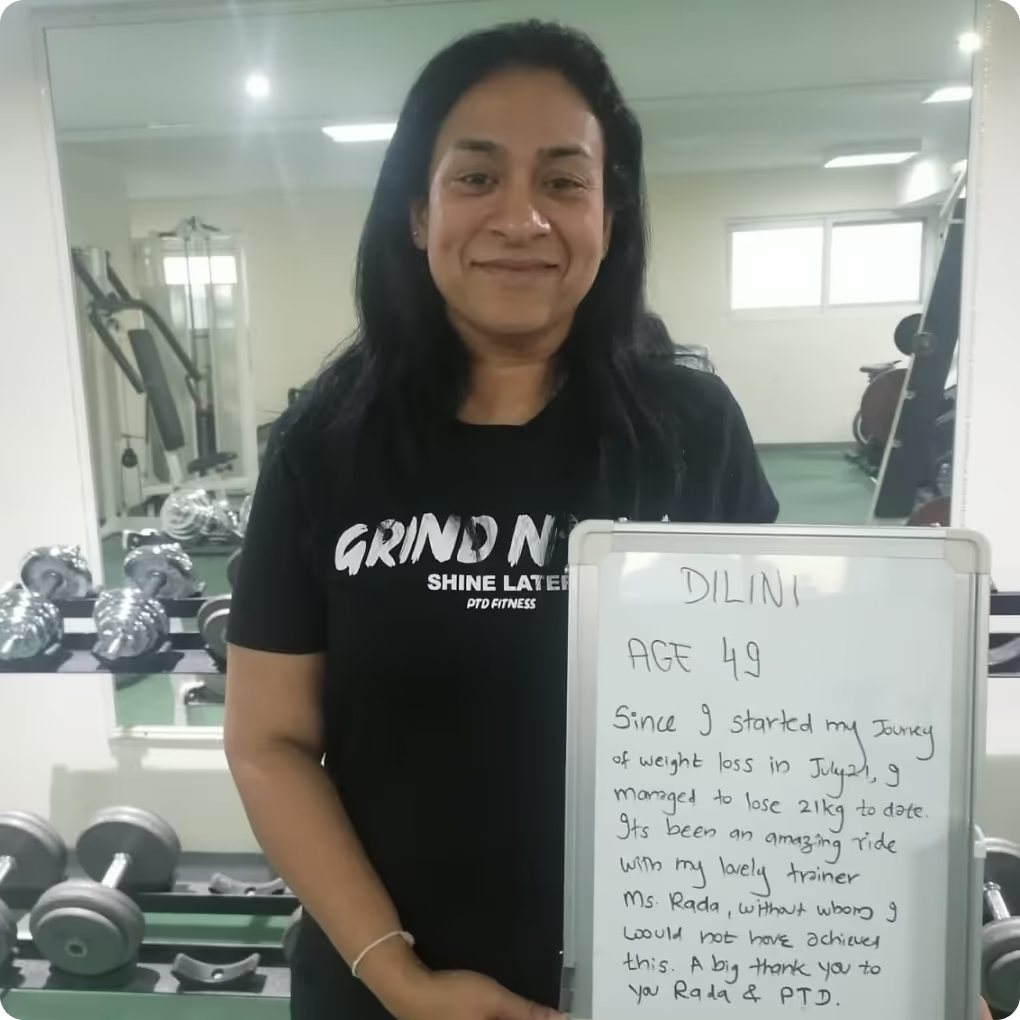
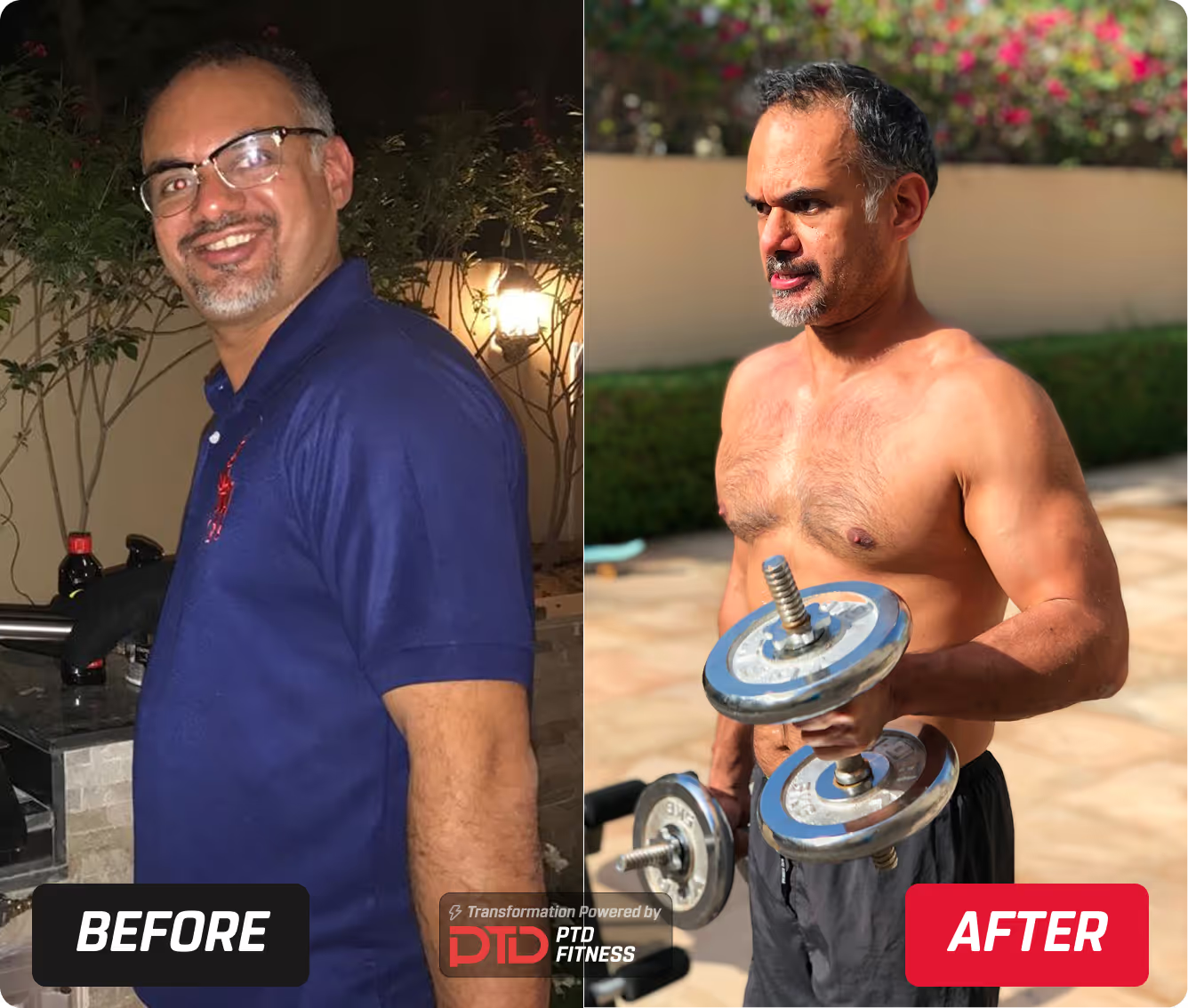
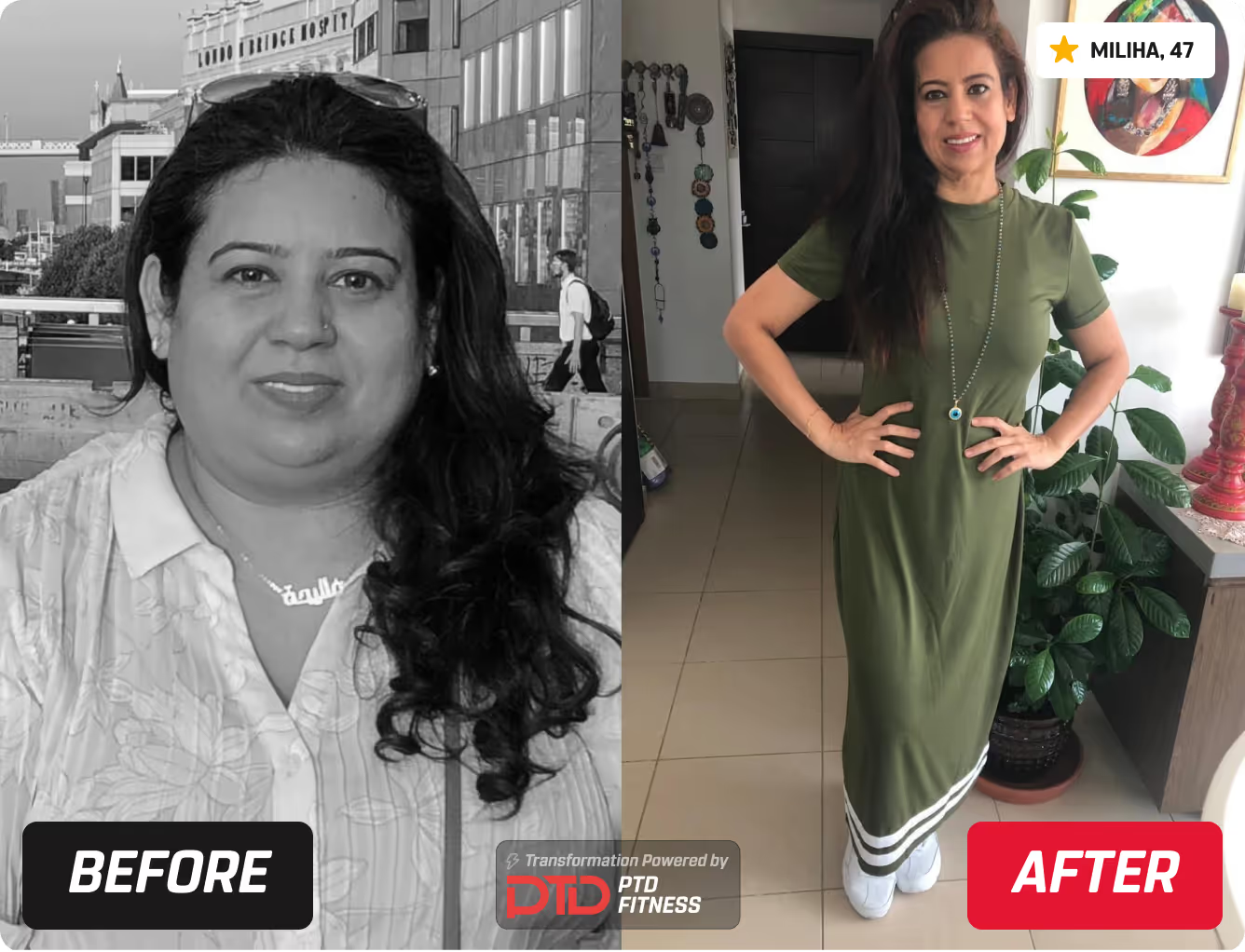
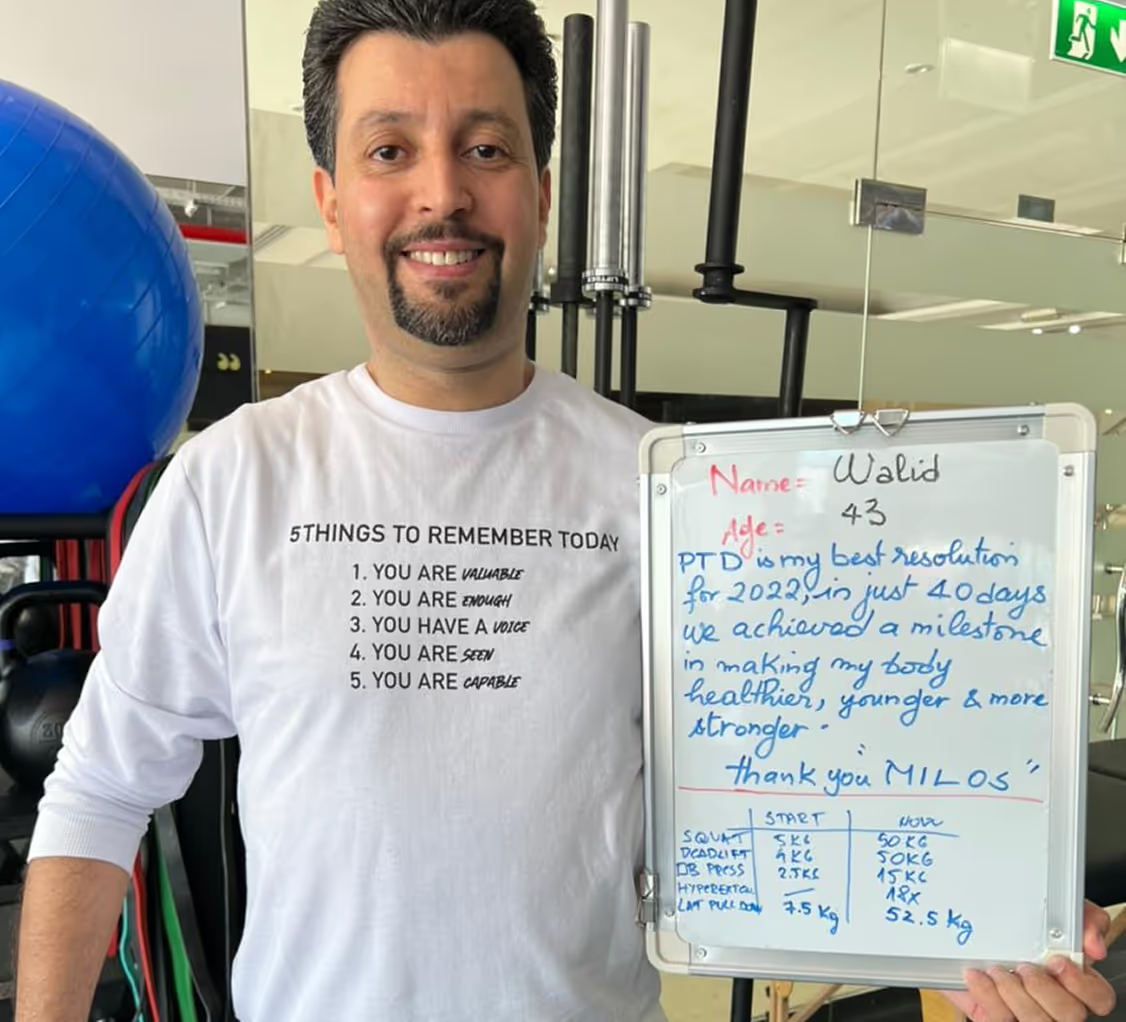
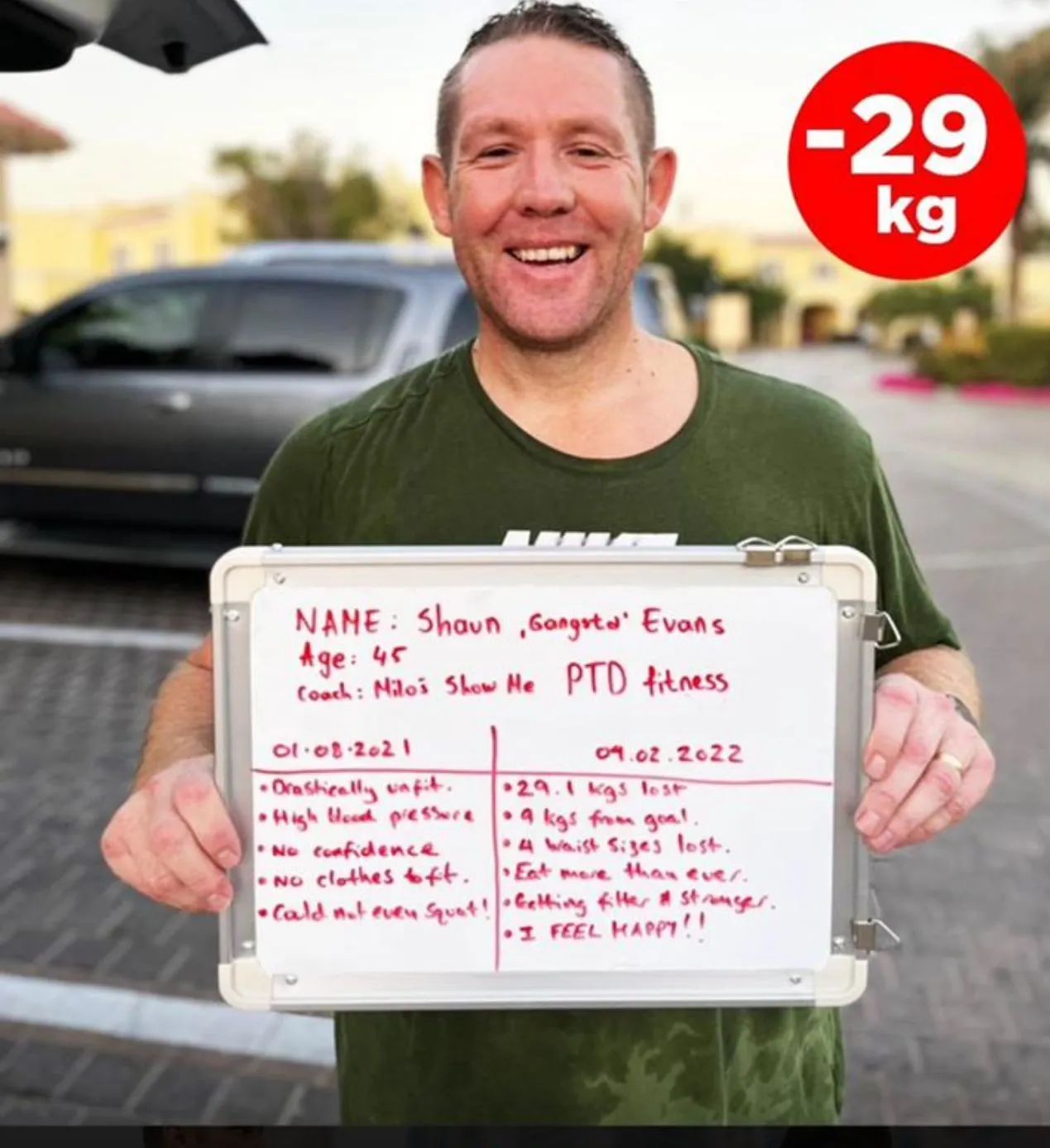
11,700+ transformations in Dubai & Abu Dhabi




Your transformation starts with one call
Free assessment, no pressure. We'll map your 12 weeks and show you exactly what's possible.
Book your free assessment